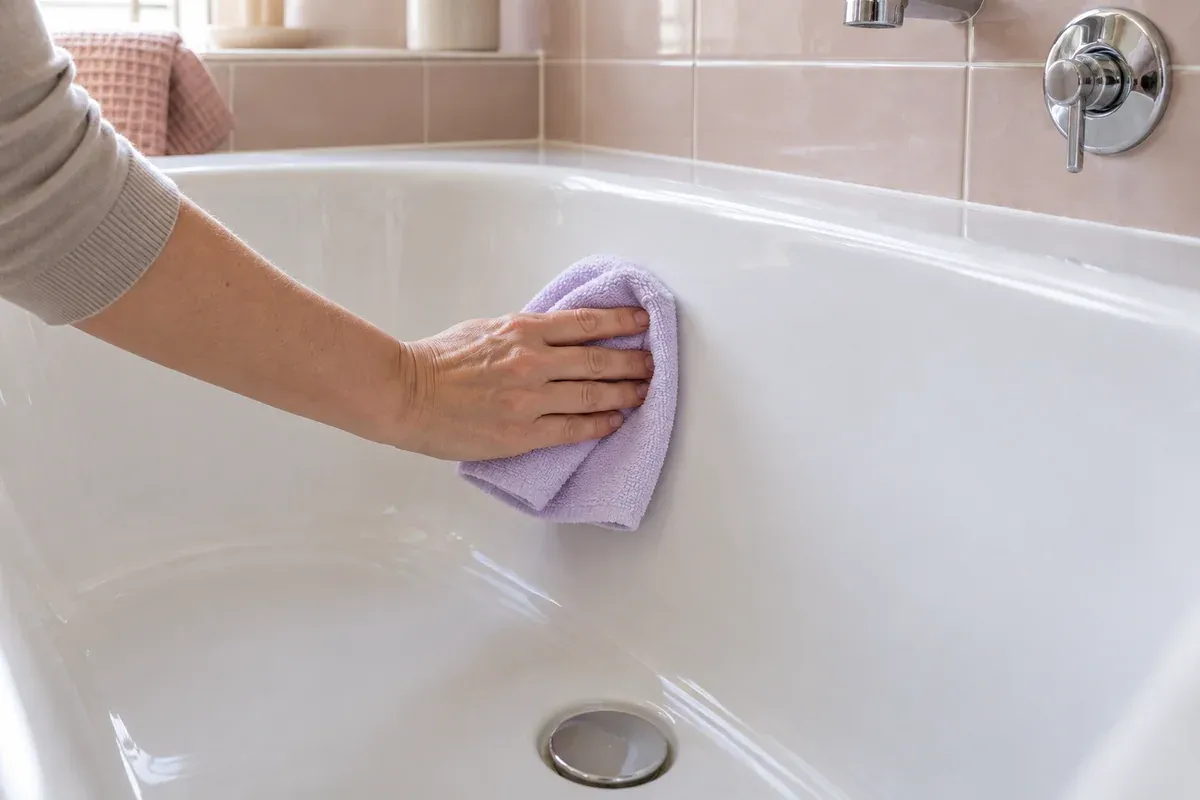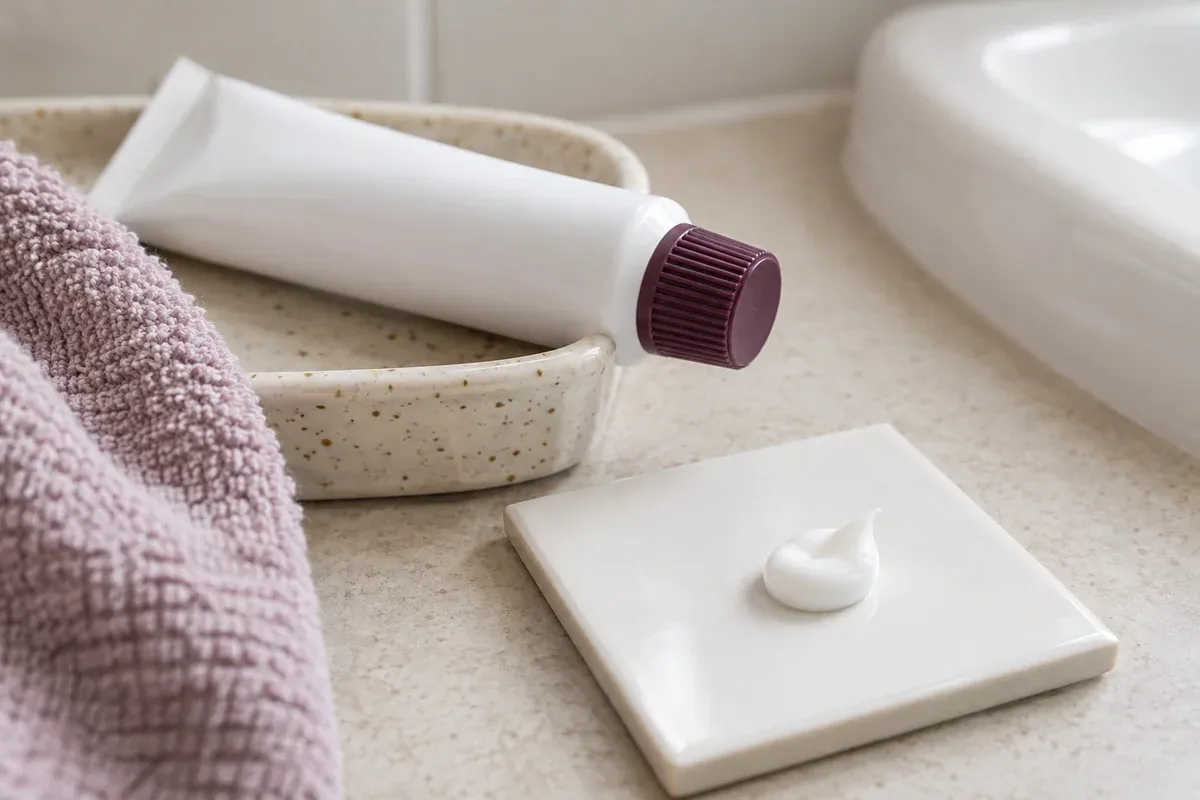
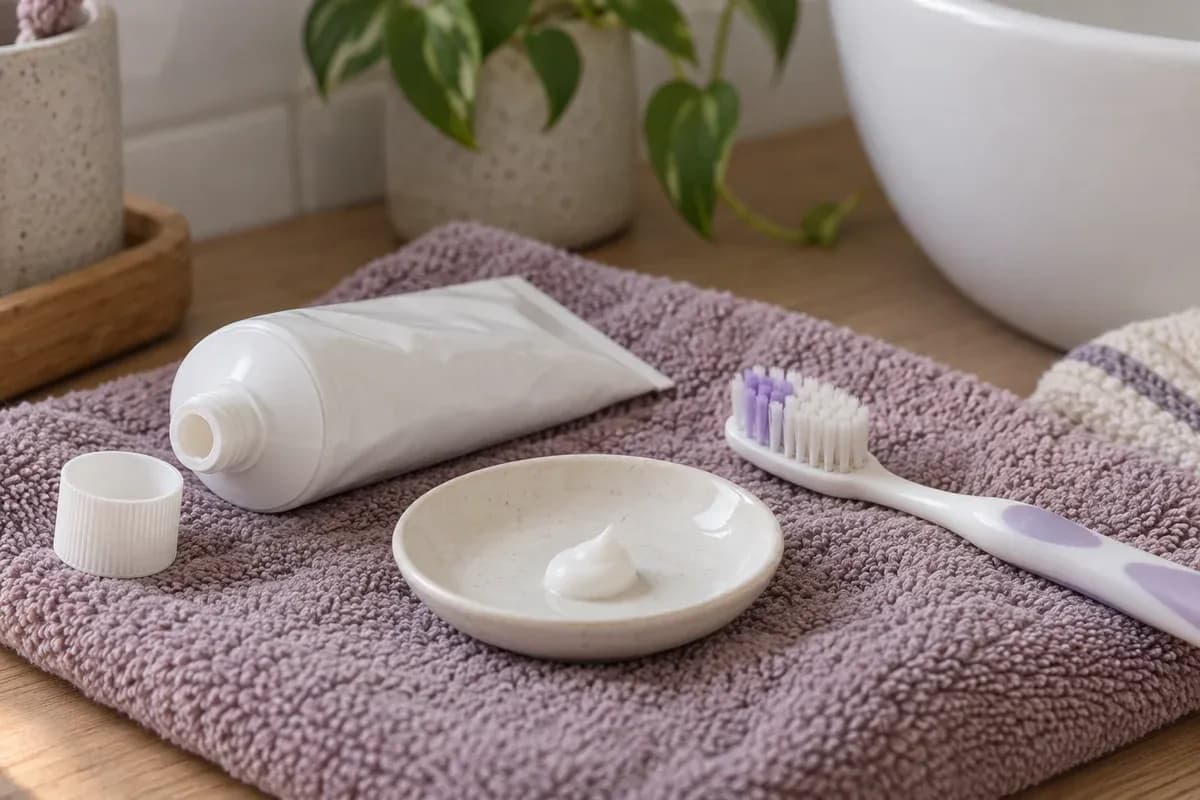
Toothpaste is a mild abrasive, so it can lift a mark and scratch the surface underneath at the same time. Here are 12 popular toothpaste hacks, each with a verdict and a better option.
Quick answer: Toothpaste is fine for scrubbing rubber sneaker soles, can lift leftover crayon from white or durable walls and briefly clears light headlight haze, and Laminex allows it as a last resort on standard laminate. Skip it on silver, phone screens, chrome taps, iron soleplates, engineered stone, timber finishes and matt paint. For most marks, warm water, a drop of dishwashing liquid and a soft cloth work better.
Toothpaste cleaning hacks: which work and which damage
Almost every toothpaste, gel and whitening ones included, contains an abrasive, most often hydrated silica (Dentistry Journal, 2023). Treat it like a cream cleanser: it can take a mark off and leave the finish dull, shiny or scratched.
Hack | Verdict | Do this instead |
|---|---|---|
Scuffs on a painted wall | Don't: it leaves shiny patches on matt and low-sheen paint | Warm water with a little mild detergent on a soft cloth (steps below) |
Crayon on a wall | Works on white or durable walls, but start gentler | Warm water and dish soap on a soft cloth or sponge, then rinse; Crayola keeps toothpaste for leftover washable-crayon marks on white or durable walls |
Cloudy headlights | Works briefly on light haze | A headlight restoration kit, or a new lens (below) |
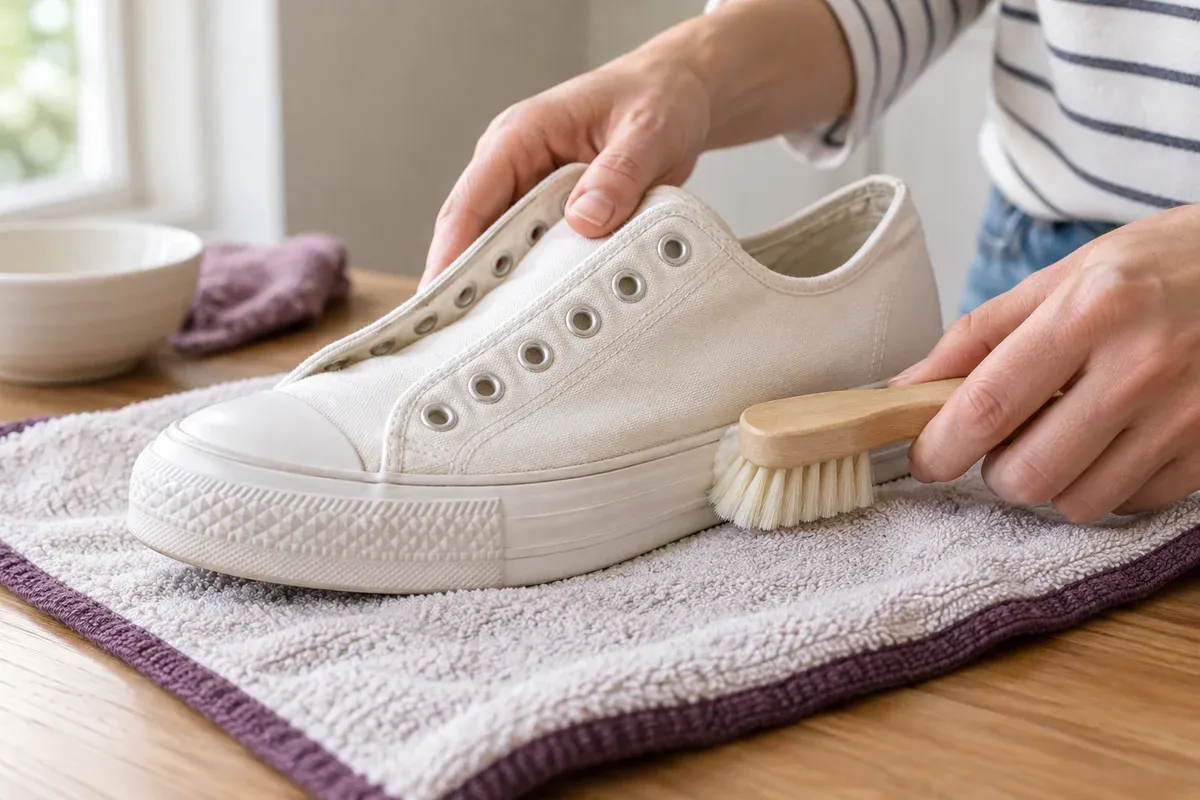
Sneaker soles | Works | Nike lists toothpaste and an old toothbrush for stains on rubber soles; clean the uppers with mild laundry detergent in warm water (canvas shoe guide) |
Silver jewellery | Don't: it wears away silver | Mild soap, lukewarm water and a soft toothbrush, then a polishing cloth (below) |
Iron soleplate | Don't | Unplug, let it cool and wipe with a damp cloth; Philips rules out scouring pads and chemicals on its soleplates |
White water rings on timber | Don't: it can leave a permanent flat spot | A hair dryer on low, kept moving over the ring for a few minutes (Furniture Care Products); a furniture repairer if it stays |
Foggy bathroom mirror | Don't bother | Run the exhaust fan during the shower and until the condensation clears, then wipe the mirror dry |
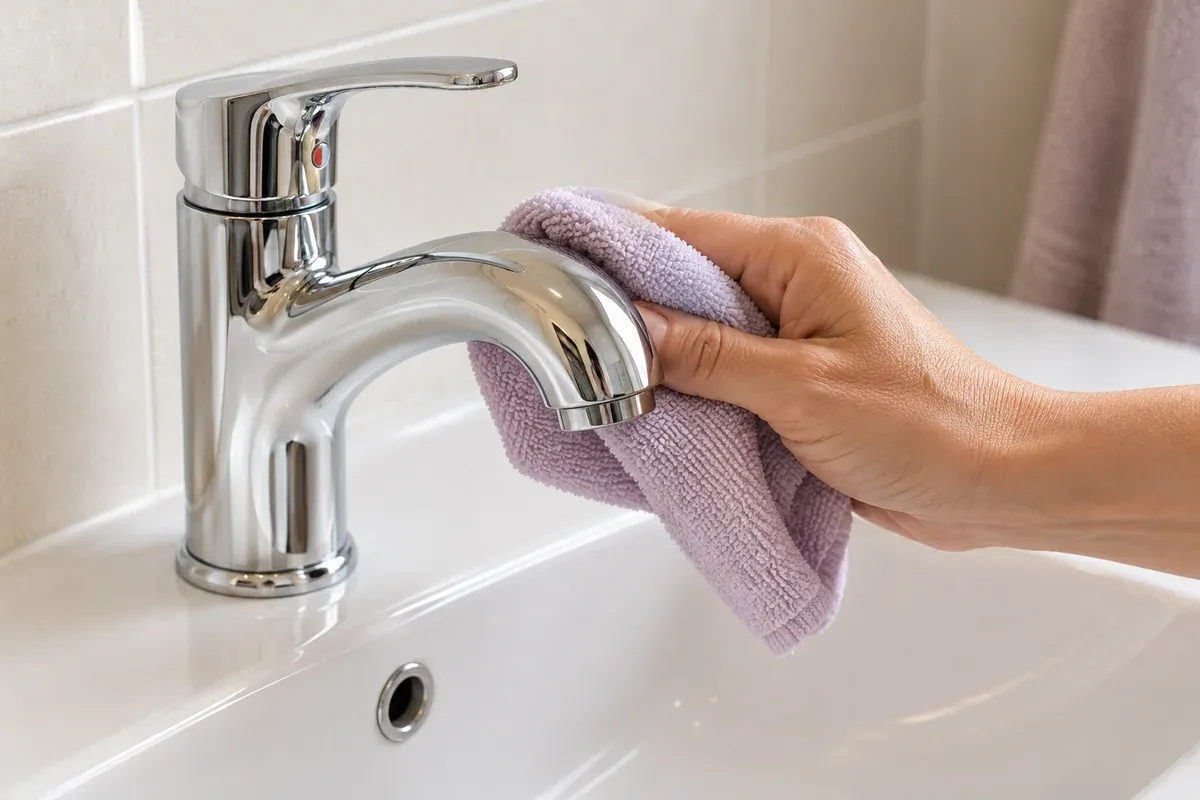
Chrome taps | Don't: abrasives scratch the plating | Warm soapy water and a soft cloth, then dry (chrome tap guide) |
Phone screen scratches | Don't (see the FAQ) | A soft, slightly damp, lint-free cloth |
Stain on a laminate benchtop | Last resort only | Damp cloth or mild dishwashing liquid first (below) |
Engineered stone benchtop | Don't | Warm soapy water and a damp cloth, then buff dry; Caesarstone says never to try to polish it |
Not sure what the surface is | Don't | Warm soapy water on a soft cloth, light pressure, then rinse and dry |
Scuffs and marks on painted walls
This follows Dulux's care advice for its wall paints and takes about 5 minutes a mark.
- Check the paint's age. Paint needs around a full week to reach full washability, so leave marks on a newly painted wall until then.
- Mix a gentle wash. Warm water with a small amount of mild detergent. Wring out a soft cloth or sponge until it's just damp, and test a hidden patch first.
- Wipe with light pressure. Work over the whole mark rather than rubbing one spot, with no scourer or stiff brush. Go extra gently on dark colours.
- Rinse and dry. Wipe with a cloth dampened in clean water, then let it dry.
- Step up only for stubborn grime. Use sugar soap or another cleaner made for painted surfaces, on a soft cloth.
Done looks like: the mark is gone and, seen from an angle in good light, the sheen matches the wall around it.
If the sheen changes or paint comes off on the cloth, stop. Dulux Trade says a burnished (shiny) patch is almost impossible to wash out and needs that section repaired and repainted. Renting? Our end-of-lease cleaning checklist covers marks on walls too.
Can toothpaste fix cloudy headlights?
Only for a while. Most headlight lenses are plastic with a thin UV coating, and the yellow haze is that coating breaking down. Toothpaste polishes the surface of the worn layer without removing it or adding protection, so the haze returns. A restoration kit sands the damaged layer off, then polishes the lens. Even then, 3M's kit FAQ says a refinished lens can start to cloud again in about 10 months to 2 years. A lens that's cracked or still hazy after restoring needs replacing.
Can you clean silver jewellery with toothpaste?
Skip it. The Canadian Conservation Institute notes that every polish takes away some silver along with the tarnish, and on plated pieces any tarnish removal may be very damaging. A gritty paste speeds that up. Instead:
- Wash the piece in a small bowl of lukewarm water with a drop of mild soap, using a soft toothbrush on detailed areas.
- Rinse, then dry with a soft cloth.
- Buff with a silver polishing cloth. Pandora advises against silver dips, polishing liquids and ultrasonic cleaners on its jewellery.
Stains on a laminate benchtop: a last resort
Laminex's care factsheet lists two or three rubs of white toothpaste, then a wash and dry, as a last resort for a stain that survives its other steps, and warns that abrasive cleaners like this may damage the surface for good. Never use it on high-gloss, metallic or stainless-look laminates, and check your laminate range's current care guide first, because the factsheet carries no date.
Already used toothpaste? Check the dry result

Toothpaste is abrasive and is not a universal household cleaner. Do not rinse electronics, soak leather or try another abrasive to undo damage.
Read the illustration as text
- Stop adding pressure
- Remove residue using the gentlest method the surface allows.
- Check the dry finish
- Look from an angle for scratches, haze or a change in sheen.
- Ask about damage
- Photograph a lasting change and contact the maker or a repairer.
More polishing can make a damaged finish worse.
- Stop adding paste or pressure.
- Remove what's left with the gentlest method the item takes: a soft damp cloth and a rinse on a basin or benchtop, but never rinse electronics or soak leather.
- Let it dry, then check it in good light from an angle. Done means an even finish with no haze, residue, or dull or shiny patch.
- If a haze, scratch, colour change or shiny patch remains, photograph it and ask the maker or a repairer. Don't add another abrasive to undo the first.
Toothpaste cleaning FAQs
Does toothpaste remove scratches from a phone screen?
No, and it can make the screen worse: Apple warns that abrasive materials wear down the fingerprint-resistant coating on an iPhone and may scratch it. To clean it, switch it off, unplug it and wipe with a soft, slightly damp, lint-free cloth, keeping moisture out of the openings. A cracked screen needs a repair.
What can I use instead of toothpaste?
Warm water with a drop of dishwashing liquid and a soft cloth handles most marks. Where a surface takes a mild abrasive, a bicarb cream does the same job more cheaply: see How to Make Natural Cleaning Products: 10 Homemade Recipes.
A standard house clean covers the regular wipe-down of basins, benchtops, taps and appliance fronts; it doesn't repair scratched or dulled finishes.
Last reviewed 23 September 2026 · Update history
Sources
- Enax et al., Toothpaste abrasion and abrasive particle content, Dentistry Journal (2023): abrasives in toothpaste.
- Dulux, How to care for Dulux paint; Dulux Trade, Burnishing or marring: washing painted walls.
- Crayola, Ultra Clean and washable crayons on painted walls.
- 3M, Headlight Restoration Kit FAQ (2010): why lenses yellow and how long a restored lens lasts.
- Nike Australia, How to clean white shoes (December 2024): sole stains.
- Canadian Conservation Institute, Silver: care and tarnish removal; Pandora, Care instructions.
- Philips Australia, How to clean the soleplate of my steam/dry iron.
- Furniture Care Products, How to remove white heat marks and rings from timber furniture.
- Laminex, Care and maintenance guide; Caesarstone, Care and maintenance: mineral surfaces.
- Apple, Cleaning your iPhone.
Related Reading
Change log
Who wrote and edited this article, when its sources were checked, and what changed.
Current version
What changed
23 September 2026: Toothpaste Cleaning Hacks now rates 12 popular uses, including headlights, sneaker soles, silver, iron soleplates, water rings on timber and phone screens, each with a verdict and a better option. Silver jewellery, iron soleplates and timber water rings are new "don't" verdicts.
Correction, 23 September 2026: This guide said no maker approves toothpaste for household cleaning, but Laminex lists two or three rubs of white toothpaste as a last resort for a stubborn stain on standard laminate.
View all historyHide earlier history
Earlier entries record what was published at the time. Later corrections take precedence.
- Edited by
- Huy Hoang
Earlier corrections: 20 September 2026, removed unsupported toothpaste methods for basins, appliances, walls, plastic and chrome, and replaced screen-polishing tips with the makers' care guidance.