You vacuum the whole house, and somehow the carpet still looks like it hasn't been touched. It's one of those quietly frustrating cleaning tasks — you put in the time, but the results don't match the effort.
Quick Answer: To get the most out of your vacuum cleaner, vacuum in multiple directions (not just back and forth), empty the bag or bin when it reaches two-thirds full, and use your attachments for edges and upholstery. Regular filter maintenance is just as important as the vacuuming itself.
Vacuum in Multiple Directions for Better Results
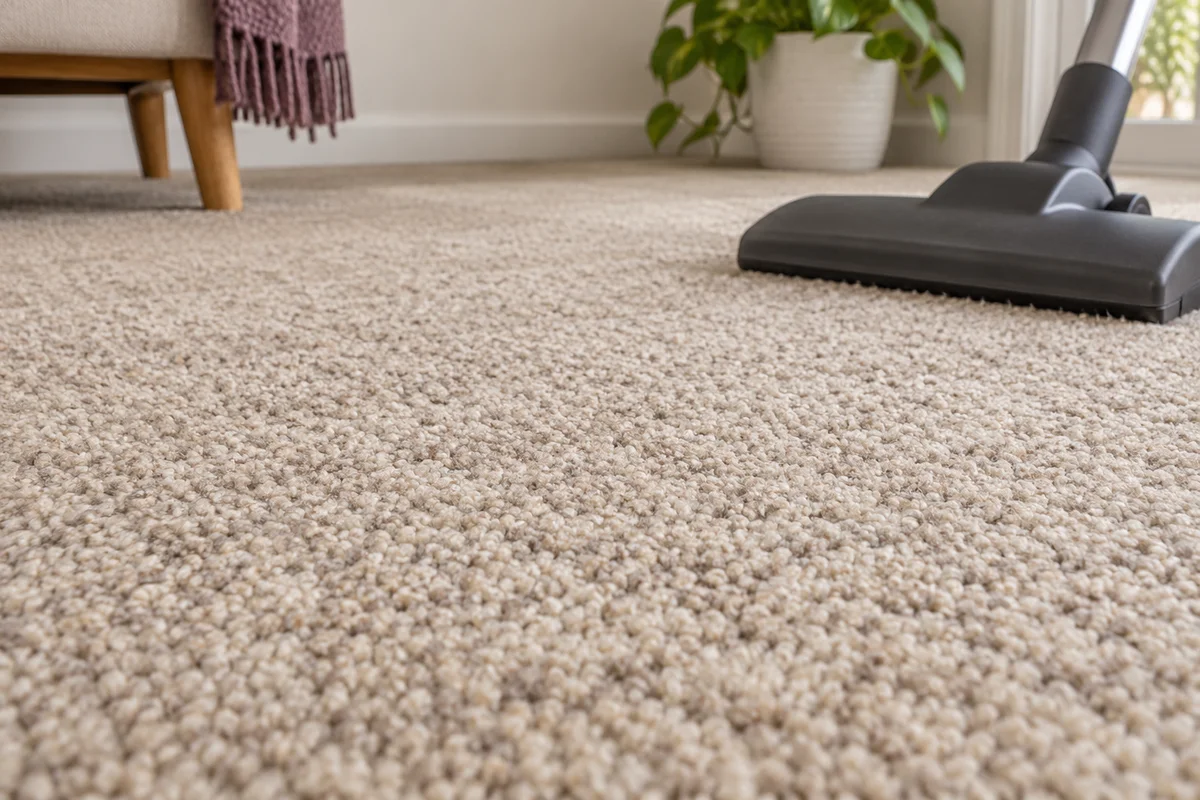
Most people vacuum in neat, parallel rows — and stop there. But single-direction passes only agitate carpet fibres one way, leaving dirt embedded at other angles.
Professional carpet cleaners use a crisscross technique: vacuum front-to-back first, then go over the same area side-to-side. According to Masterful Carpet Cleaning, this approach "ensures that the carpet fibres are agitated from different angles, dislodging dirt more effectively." The forward pass loosens soil; the return stroke picks it up.
This is especially important if you have pets. Pet hair embeds in carpet at varying angles, so a single pass misses a surprising amount. Going over each area in alternating directions loosens and lifts far more pet hair than a straight-line approach.
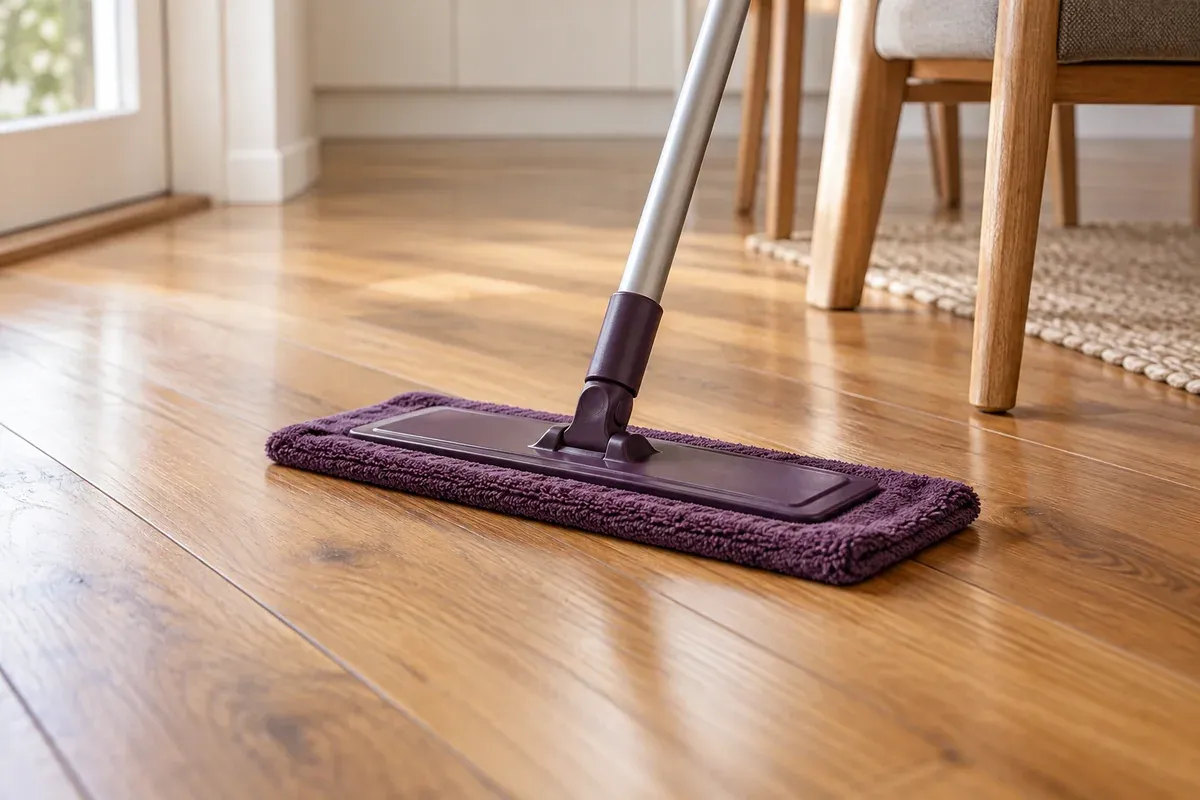
This technique works best on carpet. For hardwood or timber floors, focus on overlapping rows in one direction to avoid pushing debris around.
Tip: Start in the far corner of the room and work your way toward the door so you're not walking over freshly vacuumed carpet.
Empty the Bag or Bin Before It Looks Full
Here's a mistake most people make: waiting until the bag or bin is completely full before emptying it. By that point, your vacuum has already lost a noticeable amount of suction.
According to CHOICE Australia, you should replace or empty the bag when it's about two-thirds full. Fine dust particles clog the pores of the bag material well before it looks packed, reducing airflow and suction power.
Miele Australia confirms this: "The suction power is reduced if the vacuum cleaner bag is full." Fine particles block the bag's pores long before it looks packed.
The same applies to bagless models. Dyson recommends emptying the bin whenever debris reaches the MAX line — don't wait for it to overflow.
Tip: Make it a habit to check the bag or bin before each session. A quick glance takes two seconds and saves you from pushing a vacuum that's working at half capacity.
Use Your Attachments — They're Not Optional Extras

Brushes and powered heads can damage some finishes. Wash only filters identified as washable; powders and fine dust may have additional restrictions.
Read the illustration as text
- Open flooring
- Match the floor head and setting to the surface.
- Edges and gaps
- Use a crevice tool without forcing it into hidden components.
- Fabric surfaces
- Use the upholstery attachment only where the care guide allows.
Check the bag, bin and model’s maintenance instructions.
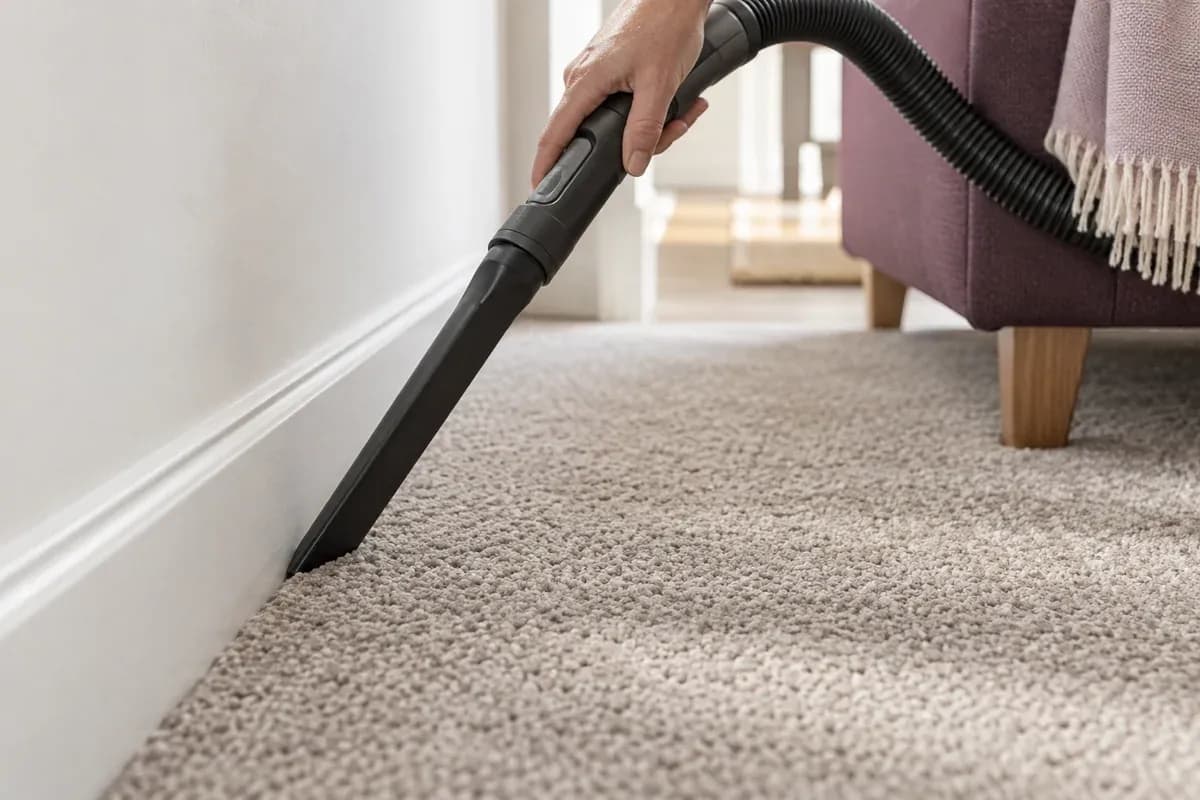
That box of attachments that came with your vacuum? They're not decoration. Edges, corners, and upholstered surfaces collect a disproportionate share of household dust — exactly the areas your main vacuum head can't reach.
Here's what each common attachment does:
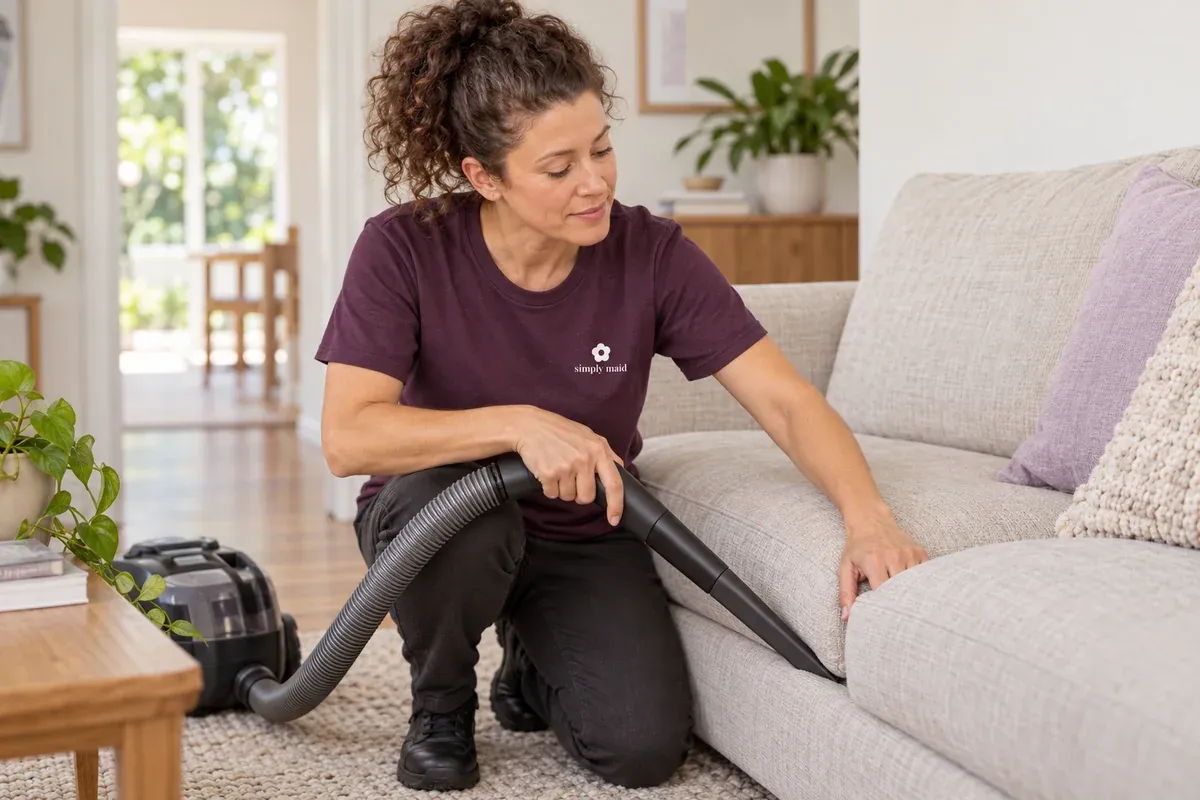
- Crevice tool — Gets into tight gaps between furniture, along skirting boards, and between couch cushions
- Upholstery brush — Lifts pet hair, lint, and dust from sofas, curtains, and car seats
- Dusting brush — Gentle enough for shelves, lampshades, and delicate surfaces
- Turbo or motorised brush — Deep cleans carpeted stairs and heavily soiled areas
If you've never used your attachments, start with just the crevice tool along your skirting boards. You'll be surprised by what's been hiding there.
Move Furniture at Least Once a Month
Dust doesn't just settle on surfaces you can see. It collects around furniture legs, under sofas, and behind bookshelves — places your vacuum head can't reach during a regular clean.
If you only vacuum around furniture without moving it, you're displacing dust rather than removing it. The airflow from your vacuum pushes dust bunnies further under and behind heavy pieces, where they keep growing.
You don't need to rearrange the living room every week. Once a month, shift lightweight furniture — dining chairs, side tables, ottomans — and vacuum underneath. For heavier pieces like sofas and bed frames, use your crevice tool to reach as far as you can.
Regularly vacuuming under and behind furniture helps keep allergen levels in the home down — something that matters especially in Australian households, where dust mites thrive in our warm climate.
Handle Your Vacuum With Care
Your vacuum might seem sturdy, but a few common habits can shorten its life — and one of them is a genuine safety concern.
⚠️ Safety note: Never unplug your vacuum by yanking the cord. The Metropolitan Fire Service South Australia warns that damaged power cords are a fire hazard. Always grasp the plug itself and pull it out carefully. Fully unwind the cord before use to prevent heat build-up.
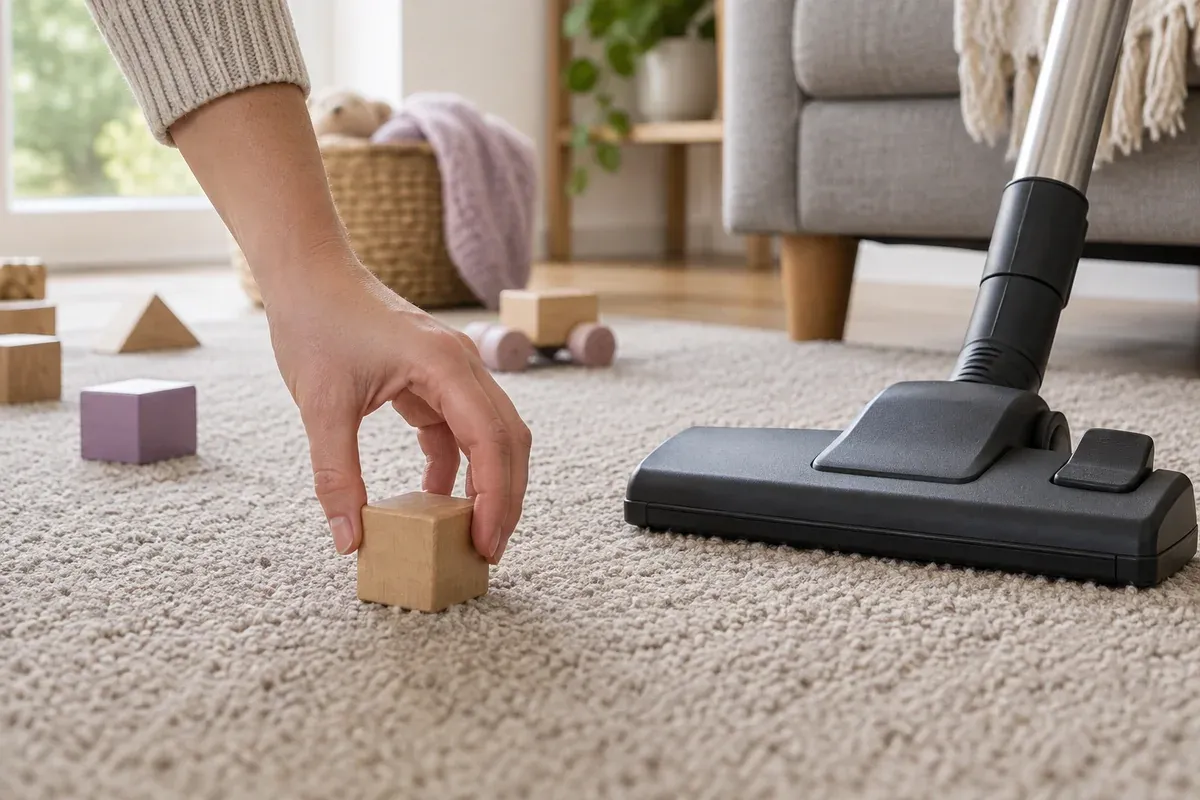
Beyond cord safety, be mindful of what you're vacuuming up. Pick up anything larger than a coin by hand — coins, hair clips, Lego pieces, and small toys can block the nozzle, force the motor to overwork, and even puncture internal bags.
The same goes for the hose: pulling it too hard around corners can cause cracks and splits over time. If the vacuum won't follow you, lift it and wheel it closer rather than tugging.
Clean Your Filters Regularly
This is the tip most people skip — and it's the one that makes the biggest difference.
A clogged filter doesn't just reduce suction. It can push fine dust particles back into the air, which is the opposite of what you want. Dyson recommends washing your filter at least once a month and leaving it to dry completely for 24 hours before reinserting.
If your vacuum uses a HEPA filter, this is especially important for families with allergy sufferers. HEPA filters trap particles as small as 0.3 microns — including dust mite allergens and pollen — but only when they're clean and properly seated.
Tip: Set a reminder for the maintenance your model specifies. Wash only filters identified as washable, and let them dry fully for the stated period before refitting.
You Might Have Tried Vacuuming More Often — Here's What Actually Helps
If vacuuming is not giving the expected result, check the head setting, bag or bin, filters and permitted maintenance in the model’s manual. Do not assume carpet powders or bicarb are safe for every vacuum. Fine powder can obstruct airflow, and some manufacturers restrict the amount that may be collected.
The real difference comes from technique, not time spent:
- Vacuum in overlapping rows — like mowing a lawn, overlap each pass slightly
- Adjust the height setting — too high and the brush won't reach the carpet; too low and it's hard to push
- Dust first, vacuum second — dust high surfaces before vacuuming so settled particles get picked up
- Slow down — a slow, deliberate pass picks up far more than a fast one
These small adjustments take no extra time but deliver noticeably better results. For more common missteps, see our guide to cleaning mistakes that waste your time.
Frequently Asked Questions
Q: How often should I vacuum my home?
For high-traffic areas like hallways and living rooms, aim for two to three times a week. Bedrooms and low-traffic rooms can be done weekly. If you have pets or allergy sufferers in the household, increase frequency — particularly on carpeted floors where allergens accumulate.
Q: When should I empty my vacuum bag or bin?
Don't wait until it's completely full. CHOICE Australia recommends emptying or replacing the bag at about two-thirds capacity. Fine dust clogs the bag's pores before you can see it's full, reducing suction power.
Q: Does vacuuming in different directions really make a difference?
Yes. Vacuuming in multiple directions — front-to-back, then side-to-side — agitates carpet fibres from different angles. This dislodges significantly more embedded dirt and pet hair than a single-direction approach.
Q: How often should I clean or replace my vacuum filter?
Follow your model’s maintenance schedule. Some filters are washable; others must be replaced and must not get wet. Use the specified washing method and drying period, and replace filters when the manufacturer directs or when they are damaged.
Q: Is it bad to vacuum up bicarb soda from carpet?
Not necessarily. Check both the carpet-care instructions and your vacuum’s manual before using a powder. Fine particles can clog filters; Dyson’s DC59 manual, for example, limits fine dirt such as flour to very small amounts. Do not treat that as approval for spreading bicarb over a whole carpet.
Related Reading
- Removing Pet Hair at Home — Go From Furry to Fur-Free
- How to Clean and Buff Hardwood Floors Yourself
- Top 10 Cleaning Mistakes That Are Wasting Your Time
- Easy, Effective, and Everlasting Cleaning Habits for the Whole Family
- A Quick Nightly Cleaning Routine for a Better Tomorrow
If several areas need attention, read about the benefits and limits of professional carpet cleaning and the questions to ask before booking.
Sources & References
- Metropolitan Fire Service South Australia — Electrical Hazards Fact Sheet. Referenced for vacuum cord safety and fire risk from damaged power cords.
- CHOICE Australia, Chris Barnes, Senior Project Officer — How to Buy a Great Vacuum Cleaner. Referenced for bag replacement guidance at two-thirds capacity.
- Miele Australia — Cleaning Performance with Vacuum Cleaner Bag. Referenced for suction loss when bag is full and blocked filter pores.
- Dyson — How to Clean Your Dyson Vacuum Cleaner. Referenced for monthly filter washing frequency and bin maintenance.
- Masterful Carpet Cleaning — Carpet Vacuuming Best Practices. Referenced for crisscross vacuuming technique and fibre agitation effectiveness.