You cleaned three days ago and the house already looks like a disaster zone. Toys across the floor, dishes stacked in the sink, last week's laundry still waiting to be folded. Now spring is around the corner — and the thought of a full deep clean on top of everything else feels almost comical.
Quick Answer: The most effective spring cleaning approach is to break it into room-by-room checklists and spread the work across two to three weekends in September. Start with high-impact spaces like the kitchen and bathroom, tackle one room per session, and involve the whole family with age-appropriate tasks. This guide gives you a complete checklist for every room — plus expert-backed tips on why spring cleaning actually matters for your family's health.
Why Your Home Needs a Spring Clean
After months of closed windows and heaters running through winter, Australian homes accumulate dust, allergens, and moisture. The National Asthma Council Australia recommends washing bedding at temperatures above 60°C to kill dust mites — the most common allergen trigger in Australian homes.
CSIRO research shows new Australian homes are up to 50% more airtight than those built a decade ago. While that is great for energy bills, it means dust, cooking fumes, and volatile organic compounds from cleaning products get trapped indoors all winter.
Spring — September through November in Australia — is the perfect window to open up, air out, and give your home a proper reset before the warmer months.
How to Plan Without the Overwhelm
If you have ever stood in the middle of a messy room thinking "I don't even know where to start", you are not alone. The trick is not to tackle everything at once.
Break It Into Weekends
Rather than attempting a single marathon cleaning day (which, let's be honest, never actually gets finished), spread the work across two to three weekends in September. Tackle one or two rooms per session. Give yourself 60 to 90 minutes per room.
Get the Family Involved
Children as young as three can help with age-appropriate tasks. Toddlers love sorting items into bins. Primary schoolers can wipe surfaces and organise shelves. Teenagers can vacuum and clean windows. Making it a team effort takes the pressure off one person — usually you.
Gather Your Supplies First
Before you start, collect everything in one spot: microfibre cloths, a good all-purpose cleaner, white vinegar, bicarb soda, a bucket, rubber gloves, and bin bags for decluttering. Most of what you need is available at Coles, Woolworths, or Bunnings.
Kitchen Spring Cleaning Checklist
The kitchen is the highest-traffic room in most Australian homes. Start here for the biggest visible impact.
- [ ] Empty and wipe down the fridge and freezer — toss anything expired
- [ ] Pull out the oven and clean behind and underneath it
- [ ] Deep clean the oven interior — a paste of bicarb soda and water left overnight works well
- [ ] Wipe down all cabinet fronts and handles
- [ ] Clean the rangehood filter (soak in hot, soapy water for 30 minutes)
- [ ] Descale the kettle with equal parts white vinegar and water
- [ ] Run an empty dishwasher cycle with a cup of white vinegar
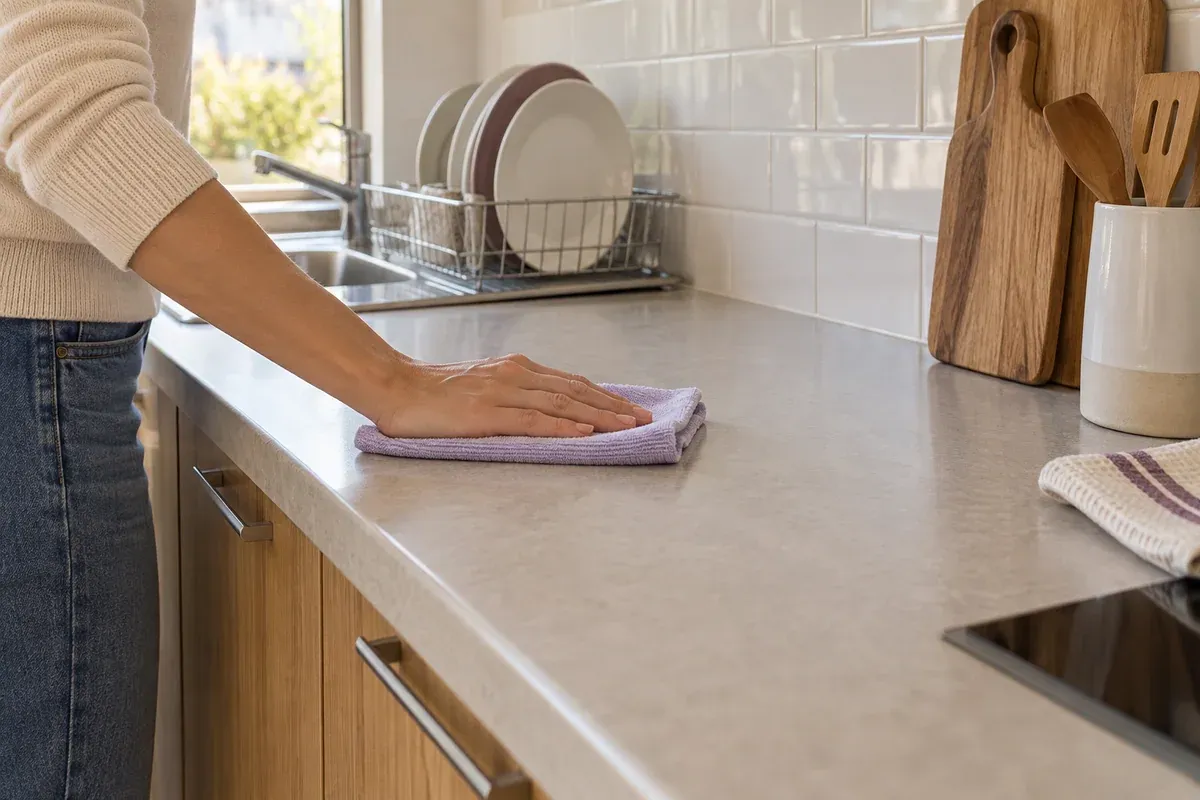
- [ ] Wipe down the splashback and benchtops, including behind appliances
- [ ] Clean inside the pantry — check expiry dates and wipe shelves
- [ ] Mop the floor, paying attention to corners and under the table
Time estimate: 60–90 minutes.
For a complete kitchen deep-clean process, see our systematic kitchen cleaning guide.
Bathroom Spring Cleaning Checklist
Bathrooms are where mould thrives — especially in humid Australian climates. Give every surface proper attention.
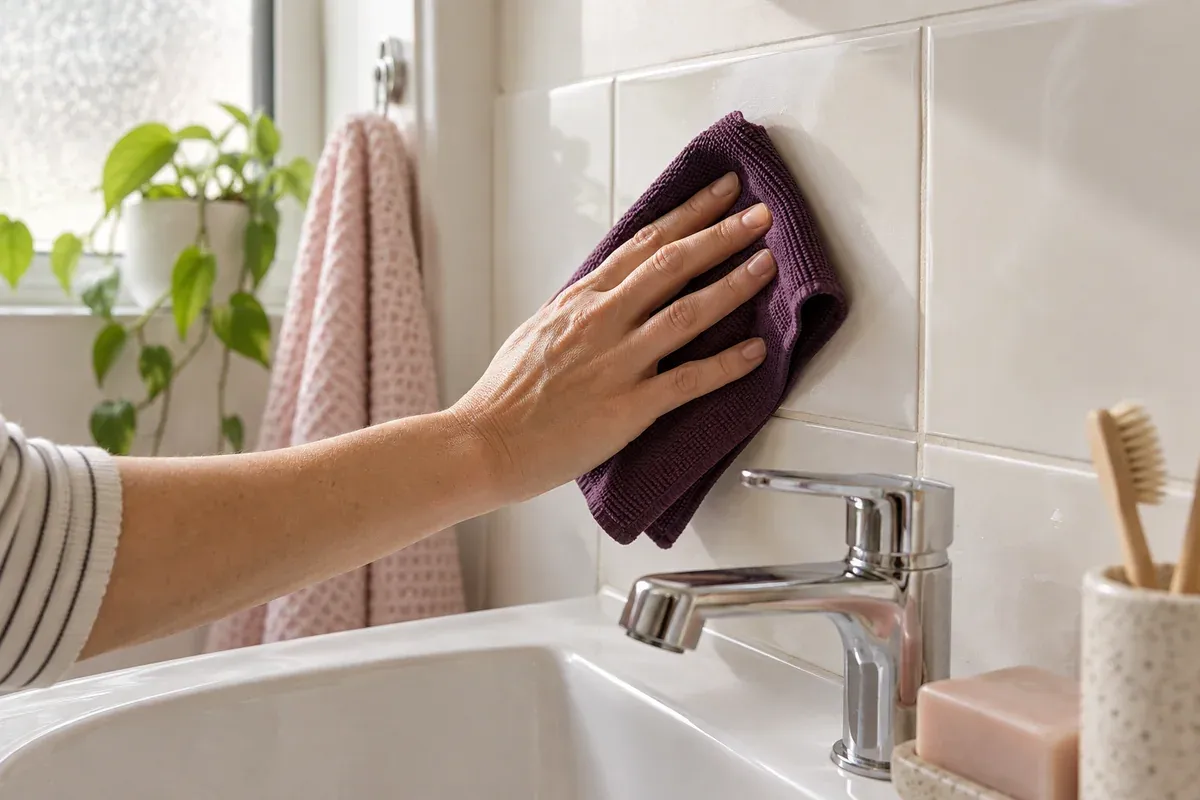
- [ ] Scrub tile grout with a bicarb and white vinegar paste
- [ ] Clean and descale the showerhead (soak in vinegar for 30 minutes)
- [ ] Wash the shower curtain or wipe down the glass screen
- [ ] Clean the toilet bowl, seat, base, and behind the cistern
- [ ] Wipe down the vanity, mirror, and tapware
- [ ] Check for mould on the ceiling and in corners — treat with a mould-specific spray
- [ ] Wash bath mats and replace if worn
- [ ] Organise the medicine cabinet and discard expired products
Time estimate: 45–60 minutes.
⚠️ Safety note: Never mix bleach with vinegar or ammonia-based cleaners — the combination produces toxic gases. Accidental exposure to cleaning chemicals is a common reason for calls to poisons information centres, and children are especially at risk. Store cleaning products separately and well out of reach. If exposed, call the Poisons Information Line: 13 11 26.
For more bathroom tips, see our bathroom cleaning guide.
Bedrooms and Living Areas Checklist
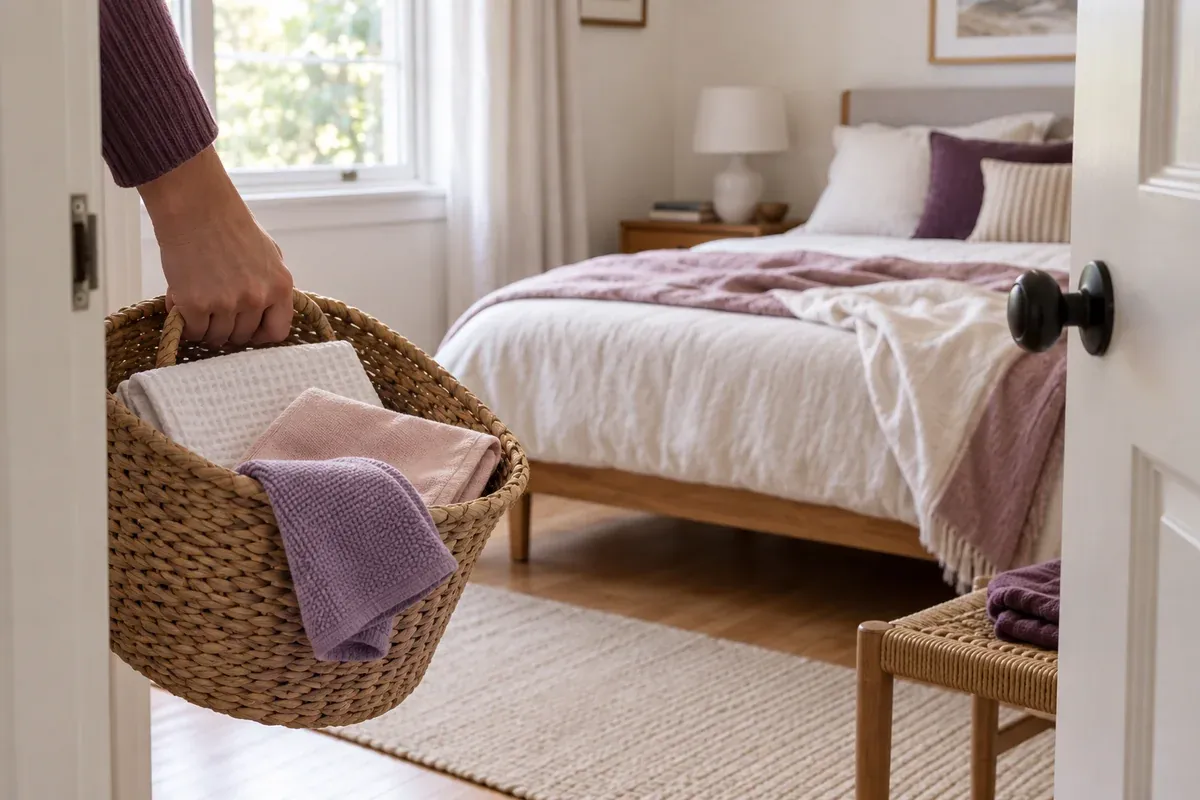
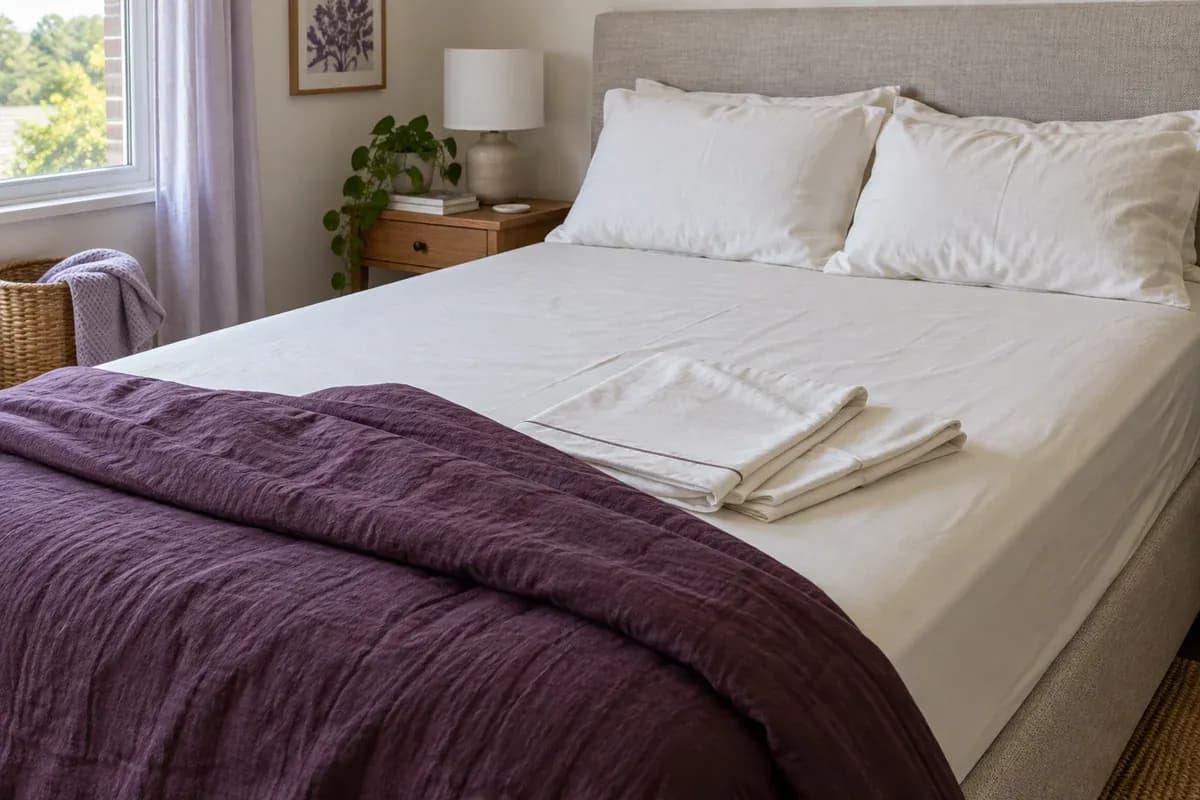
These are the rooms where dust mites accumulate most. According to healthdirect.gov.au, dust mites are found in every Australian home and are a very common allergy trigger. Airing bedding in direct sunlight helps reduce their numbers naturally.
Bedrooms
- [ ] Strip all bedding and wash at 60°C or higher
- [ ] Vacuum the mattress on both sides — air it in sunlight if possible
- [ ] Flip or rotate the mattress
- [ ] Wipe down bedside tables, headboards, and lamps
- [ ] Declutter the wardrobe — donate items not worn in 12 months
- [ ] Dust ceiling fans, light fittings, and skirting boards
- [ ] Vacuum under the bed and behind furniture
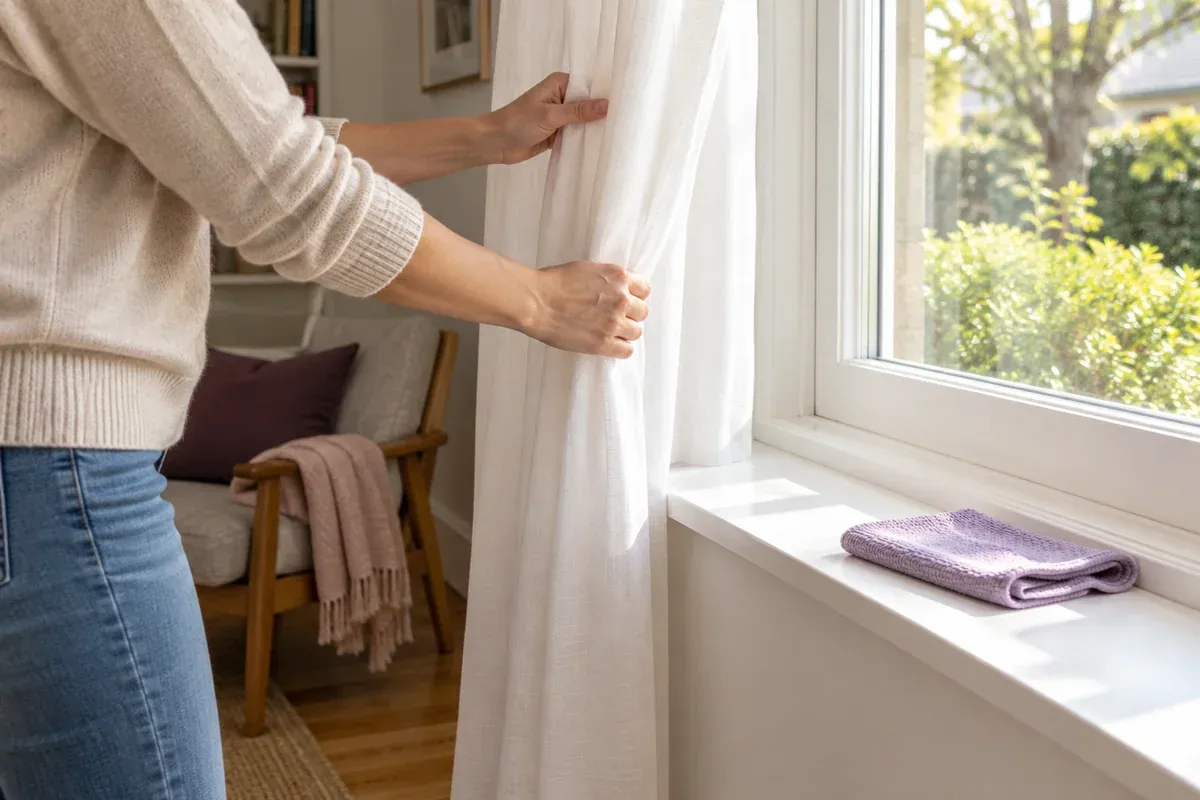
- [ ] Wash curtains or vacuum blinds
Living Areas
- [ ] Vacuum upholstered furniture and under cushions
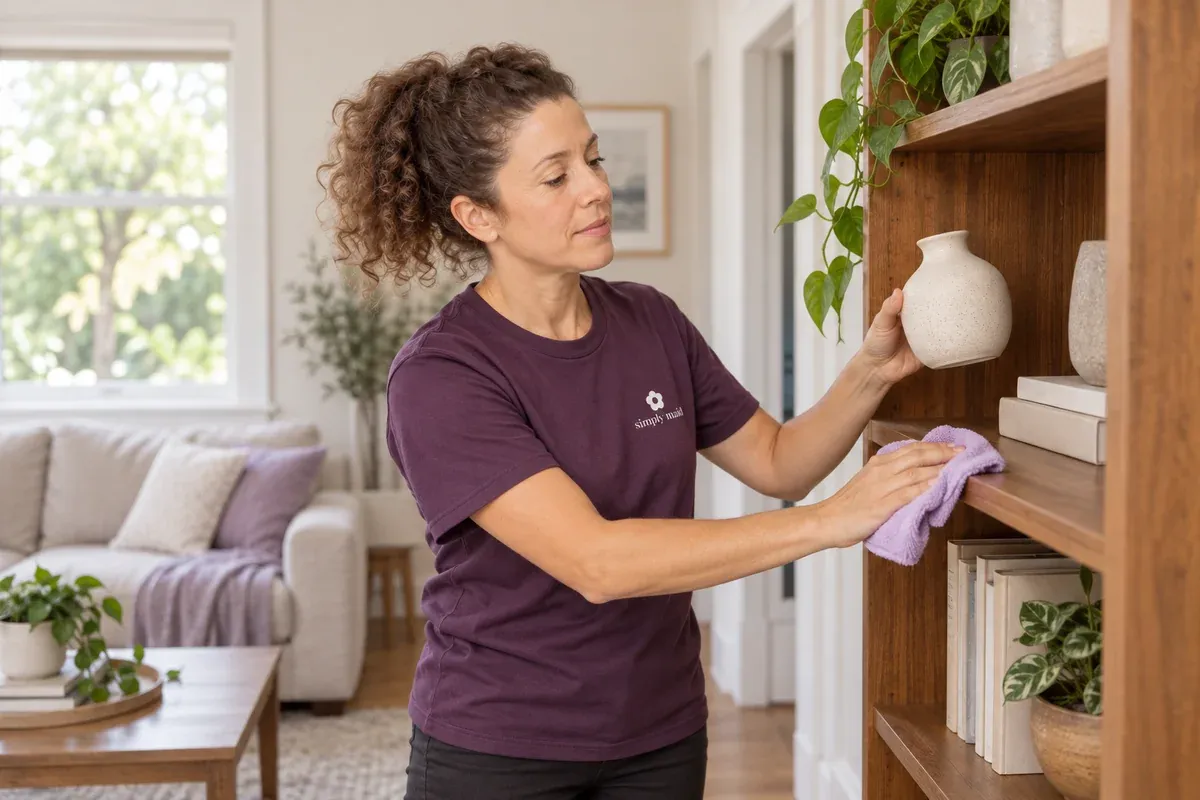
- [ ] Dust all shelves, entertainment units, and picture frames
- [ ] Clean windows inside and out (a mix of white vinegar and water works well)
- [ ] Wipe down light switches, door handles, and remotes
- [ ] Move furniture and vacuum underneath
- [ ] Clean the TV screen with a dry microfibre cloth
- [ ] Steam clean or shampoo carpets and rugs
Time estimate: 60–90 minutes per room.
For more bedroom ideas, check out our guide on making your bedroom more appealing.
Laundry, Storage, and Outdoor Areas
Laundry
- [ ] Clean inside the washing machine — run an empty hot cycle with white vinegar
- [ ] Wipe down the dryer lint filter and interior
- [ ] Clean the laundry sink and taps
- [ ] Organise cleaning supplies and discard anything old or leaking
- [ ] Wipe down shelves and the top of the machine
Garage and Storage
- [ ] Sweep and mop the garage floor
- [ ] Sort through stored items — donate, recycle, or bin what you no longer need
- [ ] Check for signs of pests or water damage
- [ ] Reorganise shelves and storage bins
Outdoor Areas
- [ ] Sweep or pressure-wash the front porch and back patio
- [ ] Clean outdoor furniture
- [ ] Clear gutters of winter debris
- [ ] Wash exterior windows
- [ ] Tidy the garden shed
Time estimate: 45–60 minutes per area.
For outdoor cleaning tips, see our front porch cleaning guide.
You Might Have Tried...
Weekend marathon cleaning that left you exhausted — and the house messy again by Wednesday. Or cleaning routines and schedules that lasted about two weeks before life got in the way. Maybe you even tried getting the kids to help, only to spend more time supervising than actually cleaning.
The reason room-by-room checklists work is that they break an overwhelming project into clear, manageable pieces. You do not need to do everything at once. One room this Saturday, another next weekend. Progress over perfection.
Research published in the Journal of Allergy and Clinical Immunology found that multi-faceted cleaning approaches — tackling dust, allergens, and ventilation together across multiple rooms — produced significant health improvements within a single year. Your checklist approach is not just practical. It is backed by science.
Frequently Asked Questions
Q: When should I start spring cleaning in Australia?
September is the ideal time. After winter, your home has accumulated months of dust, allergens, and stale air. September brings warmer days and lower humidity — perfect for opening windows, airing out rooms, and giving your home a thorough reset before summer.
Q: How long does a full spring clean take?
For a typical three-bedroom Australian home, expect to spend 8 to 12 hours in total. Break it into two to three weekend sessions of 3 to 4 hours each. Tackle the kitchen and bathrooms first — they take the most effort but deliver the most noticeable results.
Q: Can kids help with spring cleaning?
Absolutely. Children as young as three can sort toys into bins or wipe low surfaces with a damp cloth. Primary schoolers can dust shelves, organise drawers, and vacuum. Teenagers can handle windows, mopping, and outdoor tasks. Assigning age-appropriate tasks turns spring cleaning into a team effort — and teaches valuable life skills.
Q: What cleaning products do I need for spring cleaning?
You can cover most tasks with a handful of basics: white vinegar, bicarb soda, a good all-purpose spray, microfibre cloths, and rubber gloves. For tougher jobs like mould removal, a dedicated mould spray from Bunnings or Woolworths is worth having. Never mix bleach with other cleaning products.
Q: Is it worth hiring a professional for spring cleaning?
If the thought of tackling the whole house feels overwhelming, a professional deep clean can give you a fresh starting point. Many Australian families book a one-off deep clean in September, then maintain the results themselves through the warmer months. It is about finding what works for your life — not doing it all alone.
Related Reading
- Spring Cleaning Challenge: 6 Days That Will Transform Your Home
- A Systematic Way to Clean Your Kitchen
- 8 Bathroom Cleaning Tips That Will Save You Time and Money
- 10 Tips to Make Your Bedroom More Appealing
- Green Cleaning 101: How to Make and Use Natural Cleaning Solutions
Sources & References
- National Asthma Council Australia — Dust Mites Trigger My Asthma. Referenced for dust mite allergen reduction recommendations including the 60°C wash temperature guideline.
- CSIRO — Comfort and Energy Efficiency on the Rise in New Australian Homes. Cited for findings on increased airtightness in new Australian homes and indoor air quality implications.
- healthdirect.gov.au (Australian Government) — Dust Mites. Cited for dust mite prevalence in Australian homes and sunlight exposure recommendations.
- Wilson JM, Platts-Mills TAE, allergy researchers at University of Virginia — Home Environmental Interventions for House Dust Mite. Peer-reviewed research on multi-faceted dust mite avoidance producing significant health improvements within one year.
If keeping on top of spring cleaning feels like one thing too many, our friendly team is always here to help.
Care for your home. Respect for the people behind every clean.
A little help with the rest.
Working through a whole-home reset? Compare our deep cleaning inclusions and optional extras with the tasks on your spring cleaning list.
Explore deep cleaning, or explore our service areas to find cleaning near you.