If the words "spring cleaning" make you want to hide under the covers, you're not alone. For busy parents juggling work, school runs, and everything in between, the thought of deep cleaning your entire home can feel genuinely overwhelming. But here's the thing — it doesn't have to be an all-or-nothing weekend marathon.
Quick Answer: A spring cleaning challenge breaks the job into manageable daily sessions, one room at a time. Over six days (not necessarily consecutive), you can deep clean your entire home in roughly 90 minutes to 2.5 hours per session. The key is to declutter first, work top to bottom, and give yourself permission to aim for "done" rather than perfect.
Why a Spring Cleaning Challenge Actually Works
There's real science behind why this approach helps. Researchers at UCLA found that mothers in dual-income families who described their homes as "cluttered" had elevated cortisol — the stress hormone — throughout the entire day. Those who called their homes "restful" showed healthier stress patterns.
A challenge format works because it gives you one clear focus each day. As Dr Dawn Potter, clinical psychologist at the Cleveland Clinic, explains: "Cleaning produces a tangible result that we can both see and feel. We can look at it afterward and think, 'Oh, that looks great!'" That daily sense of progress is exactly what keeps you going.
A note on timing: In Australia, spring cleaning season is September through November. Six sessions of 90 minutes to 2.5 hours is realistic — and the days don't need to be consecutive. Spread them across weekends or tackle one room each evening after the kids are in bed.
Before You Begin: The Prep Session
Before you touch a single surface, set yourself up for success. Gather:
- Boxes for donations (clothes, toys, household items for the op shop)
- Rubbish bags for anything broken or unusable
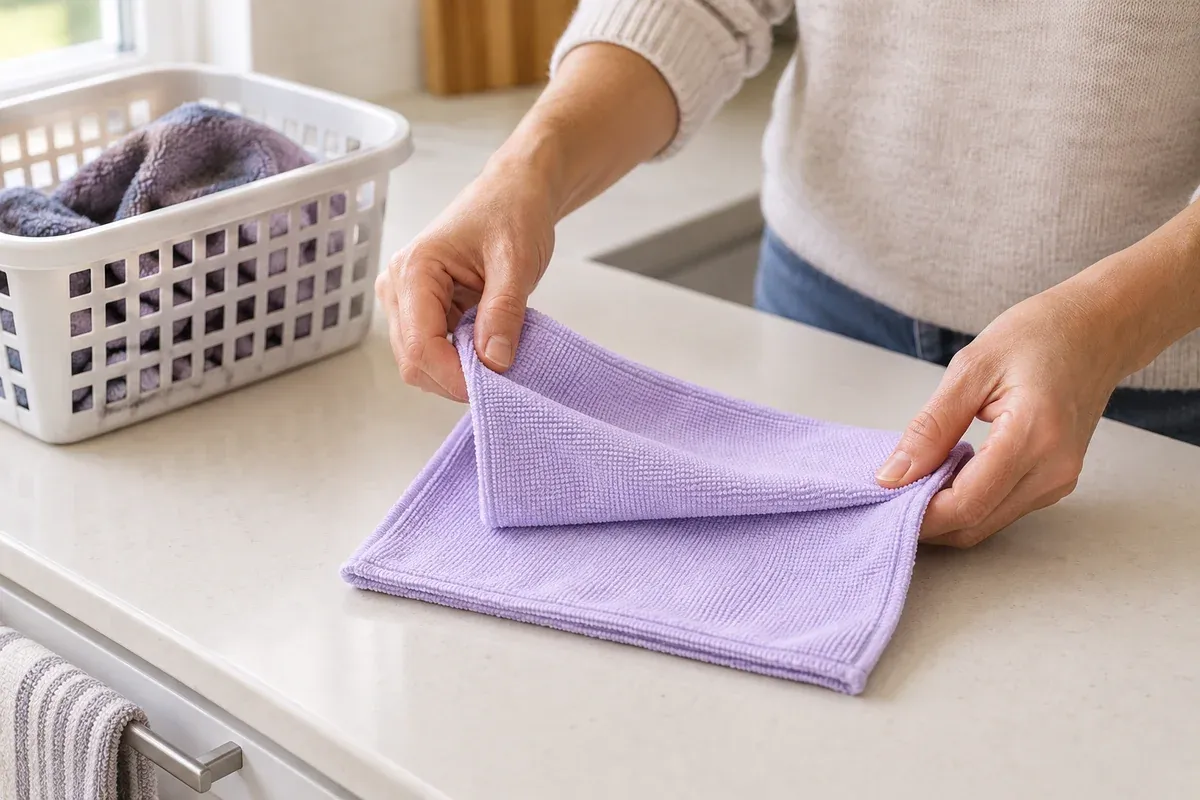
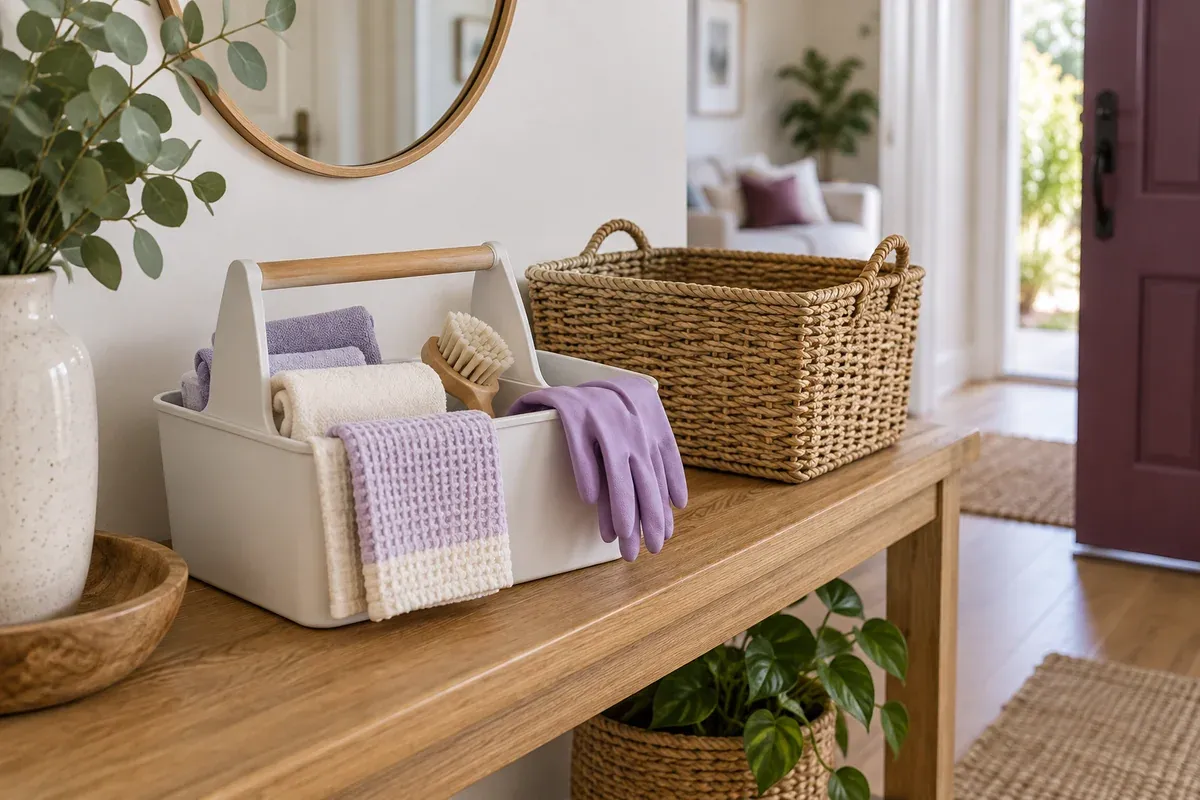
- Cleaning supplies — microfibre cloths, all-purpose cleaner, glass cleaner, disinfectant, a mop, vacuum, and rubber gloves
- A notepad to track what's done and what needs finishing
If your kids are old enough to help, give them age-appropriate jobs. Five-year-olds can sort toys into "keep" and "donate" piles. Older children can strip beds, wipe low shelves, or pair up socks.
Tip: Research from Princeton's Neuroscience Institute shows that physical clutter competes with your brain's ability to focus. Decluttering before you clean isn't just about tidiness — it actually helps you think more clearly and work faster.
Day 1: Bedrooms (Allow 2–2.5 Hours)
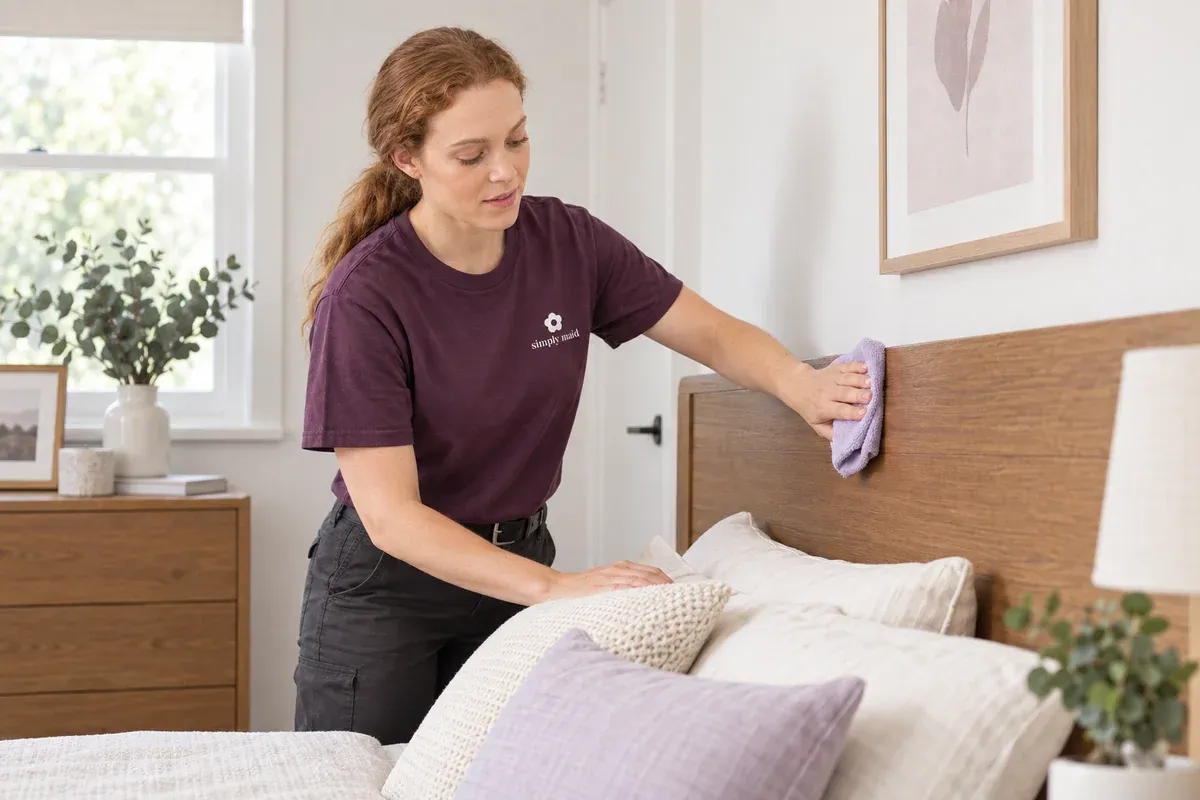
Start with the bedrooms. They're personal, private, and finishing one gives you an immediate sense of calm in the space where you begin and end each day. If you've got family members helping out, assign two people per room.
Declutter first
- Pull out clothes and shoes you no longer wear — box them for donation
- Clear dressers, bedside tables, and storage drawers of accumulated odds and ends
- Return anything that doesn't belong in the bedroom to its proper room
Deep clean top to bottom
- Remove cobwebs from ceiling corners and clean fan blades
- Dust light fixtures, the tops of wardrobes, and shelving
- Wipe down walls, door handles, and light switches with a damp cloth and detergent — Better Health Channel singles out "the toilet seat, door handles and taps" as the surfaces to clean regularly, and notes that "household cleaning using warm water and a plain detergent, is the cheapest way to get rid of germs"
- Clean windows inside and out
- Vacuum under beds and behind furniture
- Dust all surfaces, then vacuum or sweep and mop floors
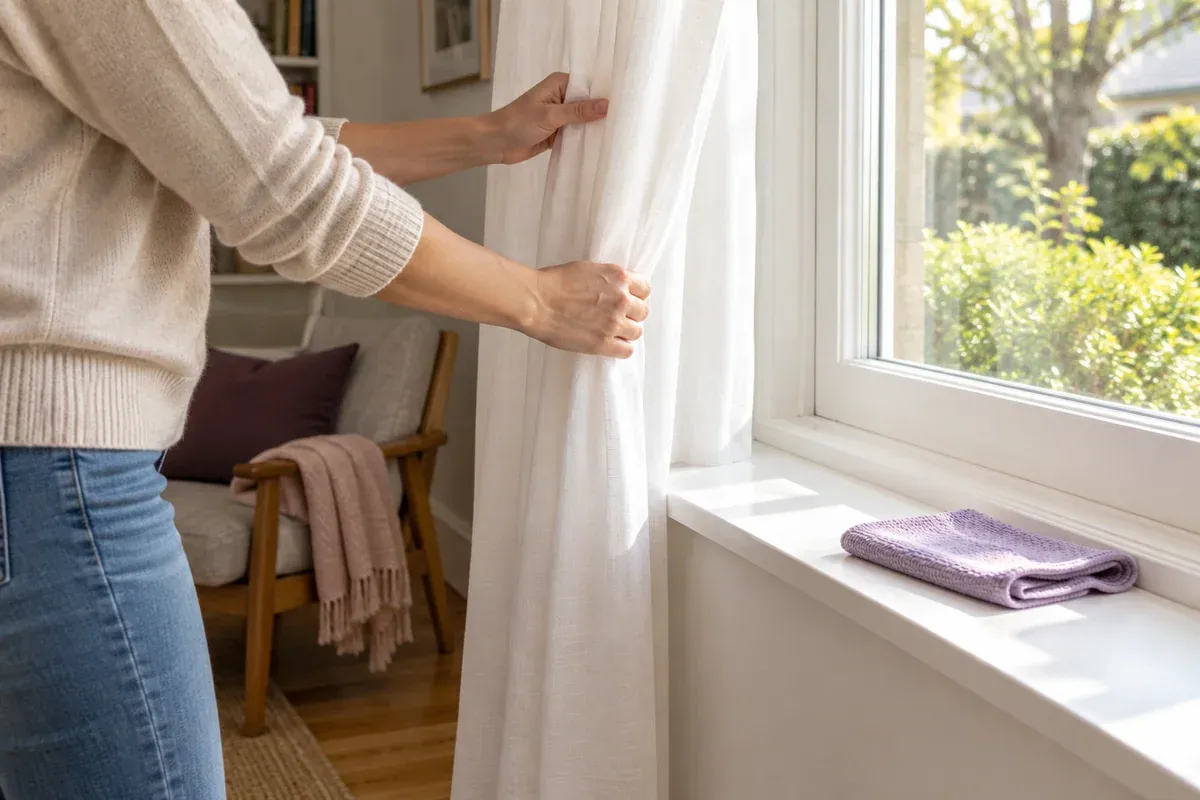
- Change bed linen and wash curtains
For more bedroom refresh ideas, see our guide to making your bedroom more appealing.
Day 2: Kitchen (Allow 2.5–3 Hours)
The kitchen takes the longest because it collects the most grime — grease, food splatter, and those mysterious crumbs in every drawer. Put on rubber gloves and tackle it section by section.
- Remove cobwebs from ceiling corners and above cabinets
- Empty and clean the fridge — toss expired items, wipe shelves with warm water and bicarb soda. If your freezer isn't frost-free, defrost it before cleaning
- Clean inside and outside of all cabinets, drawers, and pantry shelves
- Deep clean appliances — microwave (steam a bowl of water and lemon juice for 3 minutes, then wipe), oven, stovetop, rangehood filter, coffee machine
- Wipe the tops of cabinets and wall-mounted fixtures
- Clean windows and glass splashbacks
- Scrub backsplash tiles, sink, and tapware
- Disinfect light switches, handles, and knobs
- Clear and wipe benchtops — put away anything that doesn't need to be out
- Sweep or vacuum, then mop floors
Tip: Soak your rangehood filters in hot water with a squirt of dishwashing liquid and a tablespoon of bicarb soda while you clean everything else. By the time you're done, the grease lifts right off.
For a deeper dive, check out our systematic kitchen cleaning guide.
Day 3: Dining Room and Common Areas (Allow 1.5–2 Hours)
By day three, you'll feel real momentum. Use this session for the dining room plus any hallways, stairways, and transitional spaces.
- Remove cobwebs from ceiling corners
- Clean ceiling fans, light fixtures, and walls
- Clear and declutter shelves, sideboards, and table surfaces — donate anything you no longer need
- Sort through cabinets and drawers to free up storage space
- Wash windows
- Deep clean the dining table — remove everything and give it a thorough wipe with the right cleaner for the material (warm soapy water for timber, glass cleaner for glass tops)
- Clean chairs and any upholstered seating
- Dust artwork, vases, light switches, and decorative items
- Vacuum or sweep, then mop floors
- For hallways and stairways: vacuum runners, wipe handrails, and dust skirting boards
Day 4: Living Room (Allow 1.5–2 Hours)
The living room often looks deceptively clean on the surface. Spring cleaning means getting behind and underneath everything.
- Declutter first — return items that have migrated from other rooms and clear surfaces
- Clean ceiling corners, fan blades, and light fixtures
- Pull furniture away from walls and clean behind and on top of each piece
- Dust walls, frames, and wall-mounted ornaments
- Wipe all shelves, side tables, and the TV unit
- Wash windows
- Vacuum upholstery and flip or rotate cushions. Wash cushion covers and curtains if machine-safe
- Vacuum thoroughly (including under the couch), then mop hard floors
Tip: Sprinkle bicarb soda on fabric couches, leave for 15 minutes, then vacuum. It freshens the fabric and absorbs odours without harsh chemicals — great if you've got little ones or pets.
Day 5: Bathrooms (Allow 1–2 Hours)
Bathrooms are smaller but need the most thorough scrubbing. If you have more than one, enlist help or split them across two sessions.
- Squirt toilet cleaner into the bowl and let it sit while you work on the rest
- Clear out empty bottles, expired products, and anything you're no longer using
- Remove cobwebs from ceilings
- Clean the medicine cabinet, mirrors, and wall-mounted fixtures (towel rails, hooks, toothbrush holders)
- Wash windows
- Scrub wall tiles — a paste of bicarb soda and water works well for grout
- Clean sink, tapware, and shower head. For stubborn limescale, soak fittings in white vinegar for 30 minutes
- Scrub the toilet inside and out
- Clean the shower or bath, including grout lines
- Mop the floor last
⚠️ Safety note: Never mix bleach with vinegar or ammonia-based cleaners. Healthdirect, the Australian Government health service, states: "Some cleaning products can produce dangerous gases when they're mixed." Ventilate bathrooms well when using strong cleaning products, and keep all cleaners out of children's reach.
For more bathroom shortcuts, see 8 bathroom cleaning tips that save time.
Day 6: Final Touches and Celebration (Allow 1–1.5 Hours)
The best day. Walk through your home and handle anything you missed — a smudged mirror, a forgotten shelf, a light fitting you skipped. Then do one final sweep and mop of every room.
This is also a good time to:
- Wipe down exterior door handles and front entry areas
- Clean outdoor furniture if you've got a balcony or patio
- Replace air fresheners or set out a bowl of bicarb soda in musty cupboards
- Take a moment to stand in each room and appreciate the work you've done
Cleaning is consistently linked with mood improvements in behavioural research. Six days of effort, and you've not only transformed your home — you've likely shifted how it feels to be there.
Tips for Parents: Making It Manageable
You might have tried the "do it all in one weekend" approach before. Most parents have. The reason it rarely sticks is that a full-house deep clean takes 15–20 hours — and after a week of work, school runs, and bedtime negotiations, spending your entire Saturday scrubbing is the last thing your body or mind needs.
Here's what works better:
- Spread it out. Six sessions over three weekends is perfectly fine
- Set a timer. Work for 90 minutes, then stop. You can always pick up where you left off
- Lower the bar. A clean home doesn't need to be a perfect home. Focus on the areas that bother you most
- Play music or a podcast. It makes the time pass faster and gives you something to look forward to
- Involve the family. Even small children can sort toys or match socks. Older kids can vacuum or wipe surfaces
- Celebrate each day. Finished the kitchen? Order takeaway. Completed the bathrooms? Put your feet up with a cuppa
Frequently Asked Questions
Q: When is the best time for spring cleaning in Australia?
September through November is ideal. The weather is warming up, you can open windows for ventilation, and it's the perfect time to shake off winter mustiness. Many families tackle it across the September school holidays.
Q: Should I clean room by room or task by task?
Room by room is generally better for parents. Completing one whole room gives you a visible win that keeps you motivated. Task-by-task cleaning (e.g., dusting every room first, then vacuuming) can be efficient for very large homes, but it's harder to feel progress along the way.
Q: How do I spring clean with young kids in the house?
Give yourself grace. Work during nap times, enlist a partner to watch the kids while you tackle one room, or involve children in age-appropriate tasks like sorting toys, wiping low surfaces, or pairing socks. The days don't need to be consecutive — fit them around your life.
Q: Is it worth hiring a professional cleaner for spring cleaning?
If a six-day challenge feels like one thing too many on your plate, a professional deep clean can get it done in a single visit. It's especially worth considering if you haven't deep cleaned in over a year, or if you'd rather spend your weekends at the park with the family.
Q: What's the most important spring cleaning tip?
Declutter before you clean. You can't properly clean surfaces covered in stuff, and research shows clutter makes it harder to focus and work efficiently. Start every room by removing what doesn't belong.
Related Reading
- Get Ahead of Spring Cleaning With Our Room-by-Room Checklists
- A Quick Nightly Cleaning Routine for a Better Tomorrow
- Easy, Effective, and Everlasting Cleaning Habits for the Whole Family
- How to Keep Your Home Clean With a Busy Schedule
- Top 10 Cleaning Mistakes That Are Wasting Your Time
Sources & References
- Darby Saxbe & Rena Repetti, researchers at UCLA Center on Everyday Lives of Families — No Place Like Home: Home Tours Correlate with Daily Patterns of Mood and Cortisol. Referenced for the link between cluttered homes and elevated cortisol in dual-income mothers.
- Better Health Channel, Victoria Department of Health — Antibacterial cleaning products. Referenced for which surfaces to clean regularly, and for warm water plus plain detergent being no less effective than antibacterial products.
- Healthdirect Australia — Inhaled substance or object. Referenced for the warning that mixing cleaning products can release dangerous gases.
- Sabine Kastner, PhD, Professor of Neuroscience, Princeton University — Interactions of Top-Down and Bottom-Up Mechanisms in Human Visual Cortex. Referenced for the impact of visual clutter on cognitive focus and task performance.
- Dawn Potter, PsyD, Clinical Psychologist, Cleveland Clinic — Why Spring Cleaning Is Good for Your Home and Your Mood. Referenced for the psychological benefits of visible cleaning progress.
- Franchell Richard-Hamilton, M.D. — Why Spring Cleaning Is Good for Your Health. , Psychology Today. Referenced for the association between cleaning activity and happiness.
Change log
Who wrote and edited this article, when its sources were checked, and what changed.