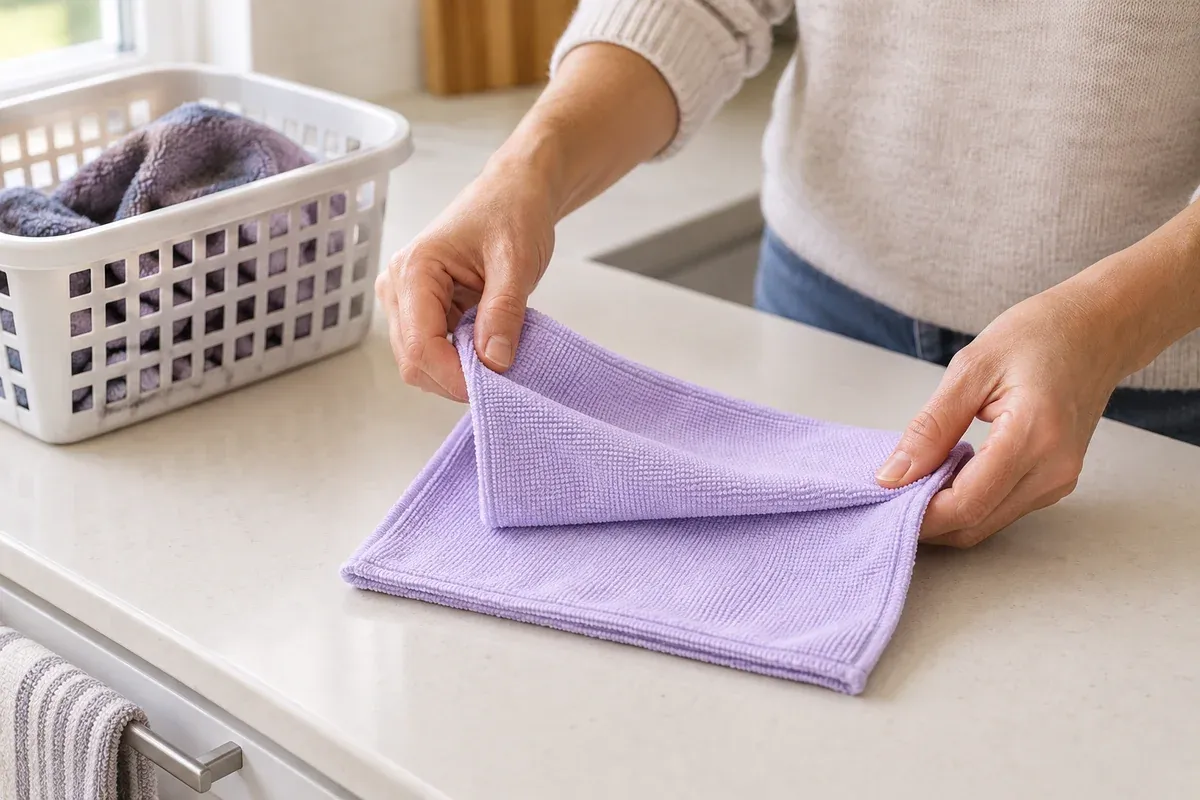
You know that feeling. You walk past the dishes in the sink, step over the shoes by the door, and tell yourself you'll deal with it later. Again. It's not that you don't care — it's that something keeps getting in the way.
Quick Answer: Most people avoid house cleaning not because they're lazy, but because of psychological barriers like overwhelm, decision fatigue, and habituation to mess. Research shows cluttered homes elevate stress hormones, creating a vicious cycle. The key to breaking it? Start small, address one area at a time, and let go of the all-or-nothing mindset.
If you've ever stood in the middle of a messy room feeling completely paralysed, you're in good company. Research from UCLA psychologists Darby Saxbe and Rena Repetti found that people who describe their homes as "cluttered" or full of "unfinished projects" show elevated cortisol — the body's primary stress hormone. In other words, the mess itself makes it harder to deal with the mess.
Here are five real reasons cleaning keeps falling to the bottom of your list — and what you can do about each one.
1. Your Brain Is Overwhelmed, Not Just Procrastinating
You might think procrastination is about laziness. It isn't. Psychologists have found that procrastination is actually a form of emotional avoidance — your brain's way of dodging tasks that feel overwhelming or lack an immediate reward.
When you look at the whole house and see everything that needs doing, your brain does what any reasonable brain would do: it freezes. This is called decision fatigue. You know the kitchen needs cleaning, the laundry is piling up, and the bathroom hasn't been touched in a fortnight — but where do you even start?
The answer, for most of us, is: you don't. You open your phone instead. Not because you're addicted to scrolling, but because your brain craves a task with a clear beginning and end.
What helps
Pick one visible surface. Not the whole kitchen — just the bench. Not the whole bathroom — just the basin. A single, contained task bypasses the overwhelm response and gives your brain the quick win it needs to keep going.
2. You've Stopped Seeing the Mess
This one sounds strange, but it's backed by neuroscience. When you live in the same space every day, your brain begins to filter out familiar visual information. It's called sensory adaptation — the same mechanism that lets you tune out the hum of your fridge.
It's not ignorance. It's your brain being efficient. The problem is that mess accumulates in your blind spots. You don't notice the dust on the skirting boards, the clutter on the hallway table, or the growing pile of mail on the counter. Then someone visits, and suddenly you see your home through their eyes.
What helps
The visitor test. Once a week, stand at your front door and walk through your home as if you're seeing it for the first time. Notice what jumps out. Those are the areas to focus on. You can also take a photo of each room — cameras don't have blind spots.
3. Small Delays Turn Into Big Pileups
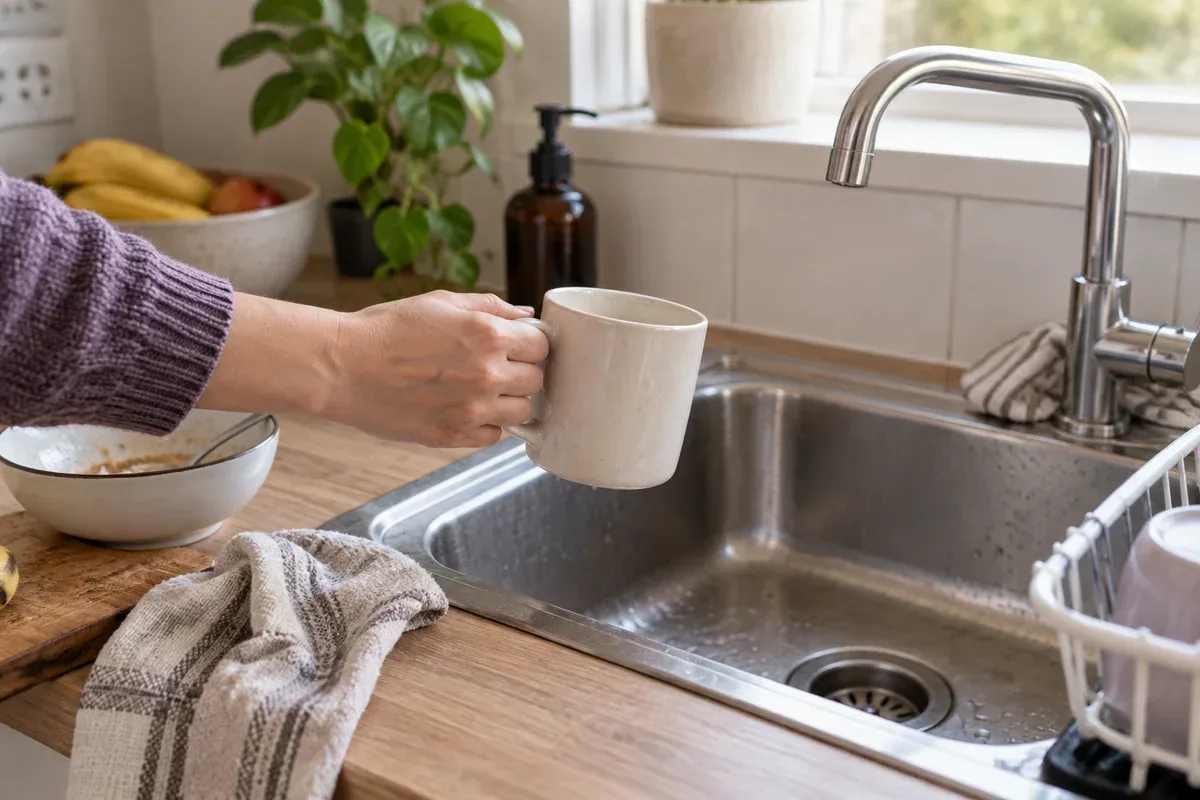
"I'll do it later" is one of the most expensive phrases in home maintenance. A single cup left on the bench is a five-second task. A full sink of dishes from three days of "later" is a 30-minute chore you dread.
Professor Susan Krauss Whitbourne, PhD, professor emerita of psychological and brain sciences at the University of Massachusetts Amherst, explains that clutter undermines your well-being because your home is supposed to be the place you go to restore your energy. When it stops serving that role, you lose your mental safe haven — and the motivation to maintain it drops even further.
This is the accumulation trap. Small delays compound. The longer you wait, the bigger the task becomes, and the less likely you are to start.
What helps
The two-minute rule. If a task takes less than two minutes, do it now. Wipe the bench after cooking. Hang the towel after your shower. Put shoes away when you take them off. These micro-actions prevent the avalanche. You might find that building these small habits transforms your nightly cleaning routine from a chore into a simple reset.
4. Clutter Creates a Catch-22
Here's the cruel irony of clutter: the more stuff you have lying around, the harder it is to clean. And the harder cleaning feels, the less likely you are to do it. It's a cycle that feeds itself.
Libby Sander, assistant professor of organisational behaviour at Bond University in Australia, notes that people with extremely cluttered homes are 77% more likely to be overweight, and that cleaner homes correlate with increased physical activity and better overall health. Your environment shapes your behaviour more than willpower does.
Research on cluttered environments links them to poorer snacking choices — the chaos chips away at self-control, not because people are weak, but because the environment is working against them.
What helps
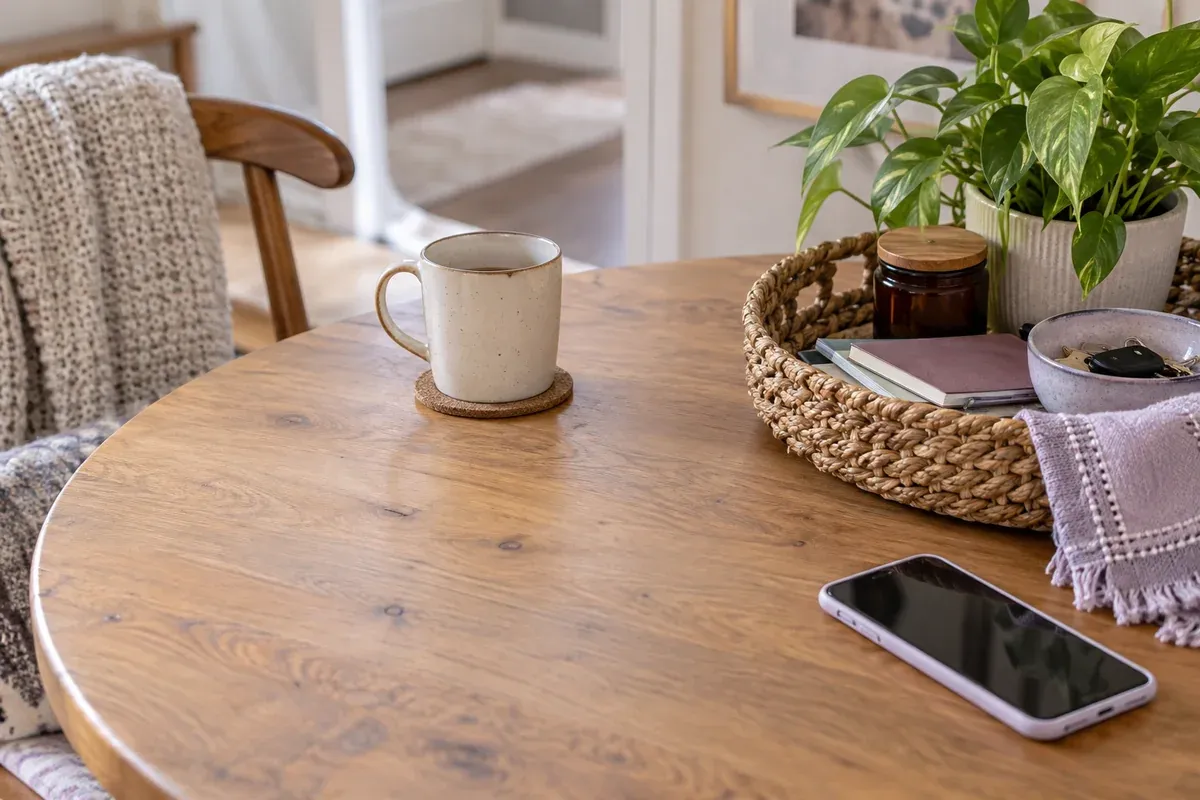
Start with one category, not one room. Gather every item that doesn't belong in a room and put it in a basket. Sort the basket later. Removing visual clutter first makes the actual cleaning — wiping, vacuuming, mopping — feel manageable. For a deeper guide, see our post on how decluttering your home can make you happier.
5. Low Energy Has Deeper Roots Than You Think
It's tempting to chalk it up to laziness, but the research points elsewhere.
If you consistently lack the energy to clean, it's worth asking what's driving it. For many Australian parents, the answer is simple: there's nothing left to give. ABS time-use data puts unpaid housework and domestic work at more than an hour a day for most Australian adults — and for many parents it's considerably more. Add a full-time job, school runs, meal prep, and the invisible mental load, and cleaning becomes the thing that tips you over the edge.
For others, it may be something more specific: depression, anxiety, ADHD, or chronic fatigue. These conditions affect executive function — your brain's ability to plan, prioritise, and initiate tasks. Cleaning requires all three.
What helps
Be honest about your capacity. If you're burnt out, a colour-coded cleaning schedule won't save you. Start with the bare minimum that keeps your home functional: dishes, laundry, and one surface wipe-down. Everything else can wait.
If low energy is a persistent issue, speak to your GP. Sometimes "I just can't seem to clean" is the first sign of something that deserves attention and support.
What You Might Have Already Tried
You've probably tried cleaning routines and schedules — pinned a checklist to the fridge, downloaded an app, committed to 15-minute bursts. And for a week or two, it worked. Then life got in the way.
That's not failure. That's the reality of running a household while juggling everything else. The problem isn't your discipline — it's that most cleaning advice ignores the psychological and emotional barriers we've just covered.
The most powerful shift isn't a better schedule. It's permission to lower the bar. A home doesn't need to be perfect. It just needs to feel manageable enough that you can breathe.
Frequently Asked Questions
Q: Why does a messy house give me anxiety?
Research from UCLA found that people who describe their homes as cluttered show higher levels of cortisol throughout the day. Clutter creates persistent visual noise that keeps your brain in a low-level stress state. Tidying even one small area can help break that cycle.
Q: How do I start cleaning when I feel completely overwhelmed?
Stop looking at the whole house. Pick one item — a single cup, a pair of shoes — and put it away. Then pick up the next one. This "snowball method" gives your brain small wins that build momentum. Within ten minutes, you'll often find the paralysis has lifted.
Q: Is it normal to not want to clean your house?
Completely. Cleaning is a task with delayed rewards and no natural endpoint — your brain isn't wired to find it motivating. Add fatigue, stress, or young children undoing your work in minutes, and avoidance is a perfectly rational response.
Q: Can clutter actually affect your physical health?
Yes. Libby Sander at Bond University notes that cluttered homes are associated with higher body weight, disrupted sleep, and reduced physical activity. Chronic clutter can trigger a low-grade fight-or-flight response that affects immunity and digestion over time.
Q: Why do I procrastinate on cleaning but not other tasks?
Cleaning is uniquely prone to procrastination because it's repetitive, physically demanding, and the results are temporary. Unlike finishing a work project or cooking a meal, cleaning has no satisfying "done" state — the house just gets messy again. Breaking tasks into defined, completable micro-tasks (e.g., "wipe down the bathroom mirror") gives your brain the endpoint it craves.
Related Reading
- A Quick Nightly Cleaning Routine for a Better Tomorrow
- How to Keep Your Home Clean With a Busy Schedule
- How Decluttering Your Home Can Make You Happier
- Easy, Effective and Everlasting Cleaning Habits for the Whole Family
- Top 10 Cleaning Mistakes That Are Wasting Your Time
Sources & References
- Darby Saxbe, PhD & Rena Repetti, PhD, UCLA Department of Psychology — No Place Like Home: Home Tours Correlate With Daily Patterns of Mood and Cortisol. Referenced for cortisol and stress patterns associated with cluttered home descriptions. Published in Personality and Social Psychology Bulletin, January 2010.
- Susan Krauss Whitbourne, PhD, ABPP, Professor Emerita of Psychological and Brain Sciences, University of Massachusetts Amherst — 5 Reasons Why Clutter Disrupts Mental Health. Referenced for clutter's impact on well-being, eating behaviour, and cognitive function.
- Libby Sander, Assistant Professor of Organisational Behaviour, Bond University, Australia — What Does Clutter Do to Your Brain and Body?. Referenced for physical health impacts of clutter including the 77% overweight statistic. Published by the Royal Australian College of General Practitioners.
- Australian Bureau of Statistics — How Australians Use Their Time. Referenced for unpaid housework and domestic work statistics among Australian adults.